

Bertram Yachts for sale
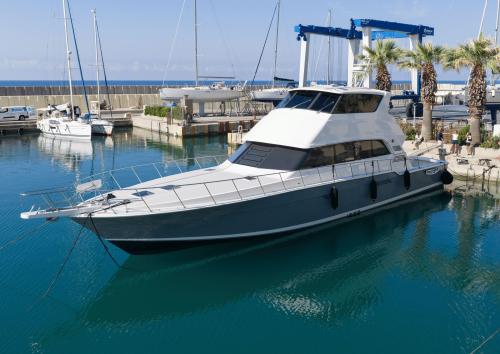
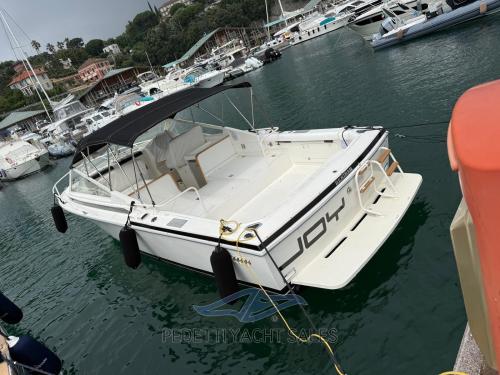
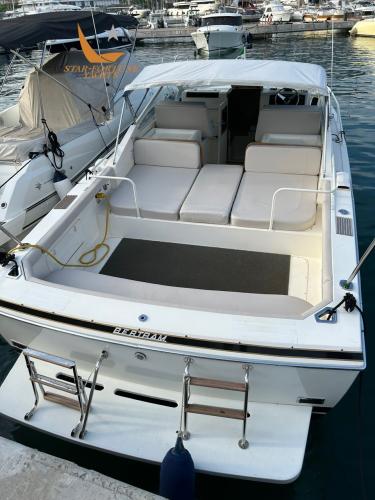

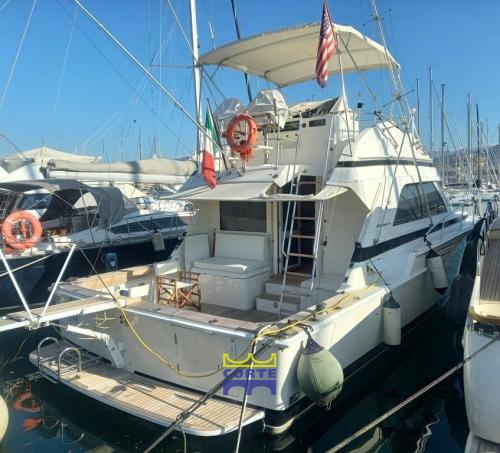
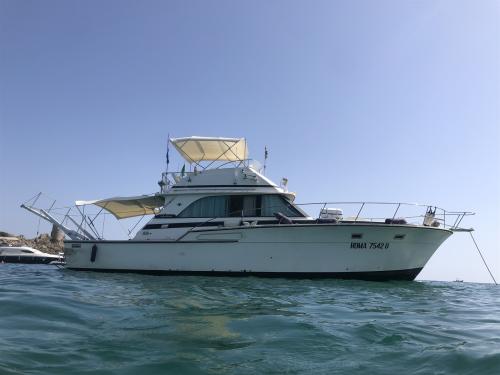
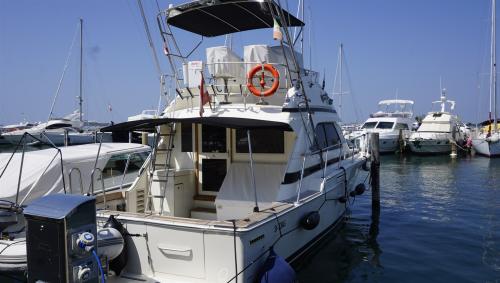
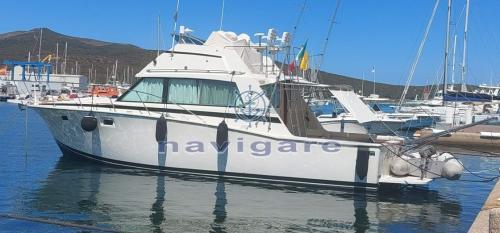
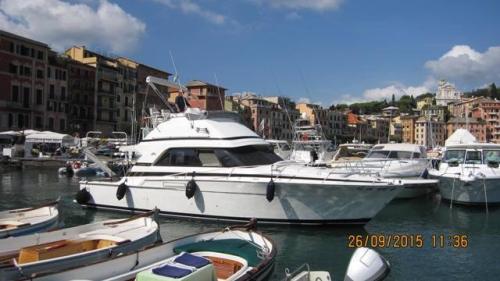
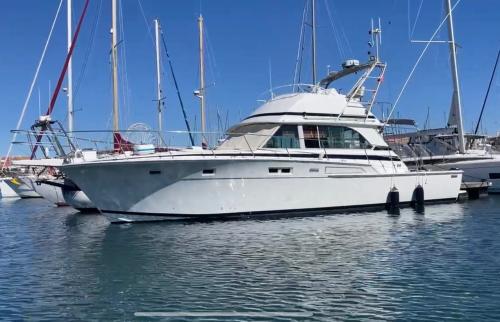
bertram yacht bertram 37 convertible
89 000€ All Tax IncludedUsed
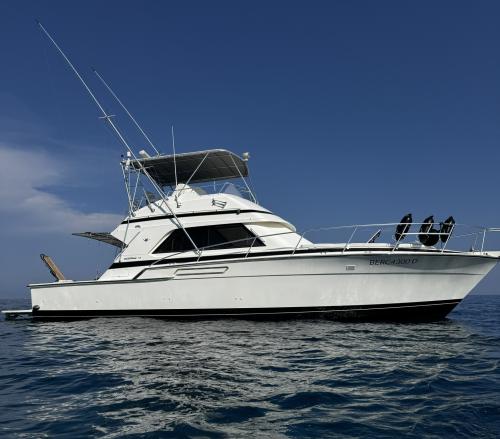
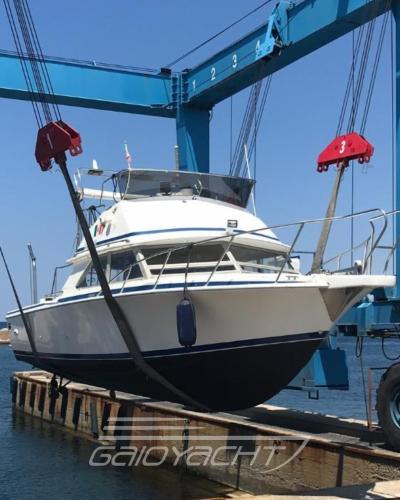
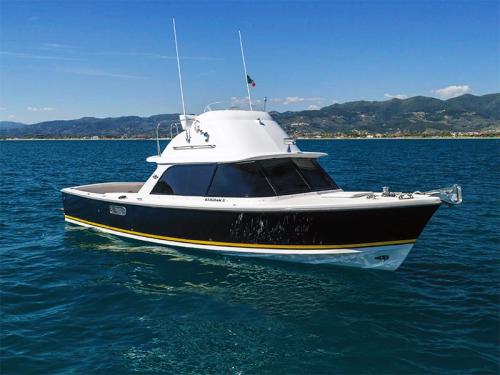
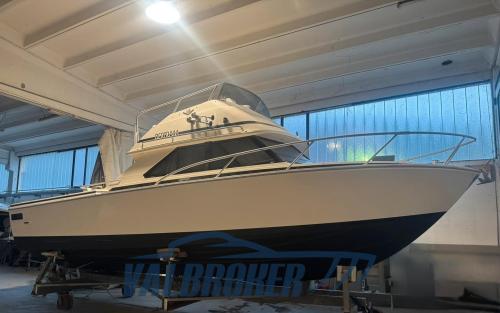
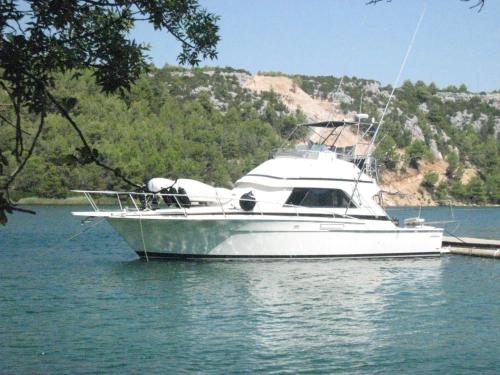
bertram 37 convertible
80 000€ All Tax IncludedUsed
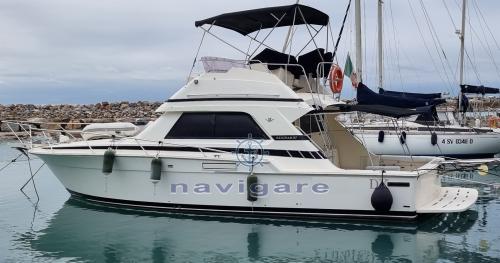
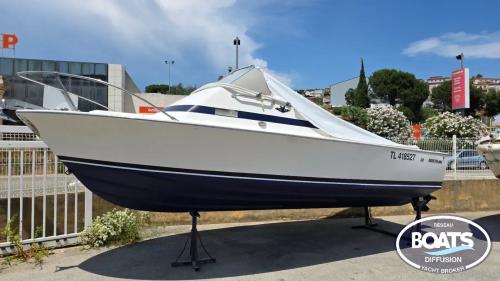
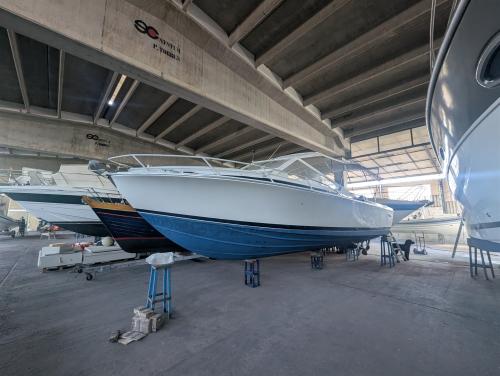

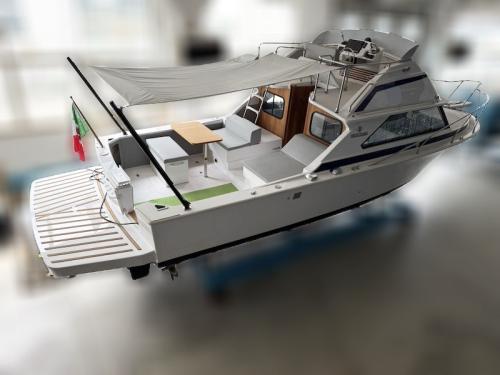
bertram yacht 28' sf
250 000€ All Tax IncludedUsed
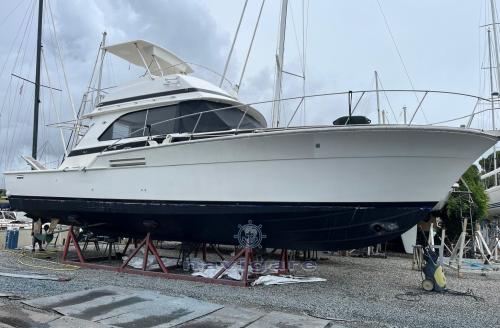
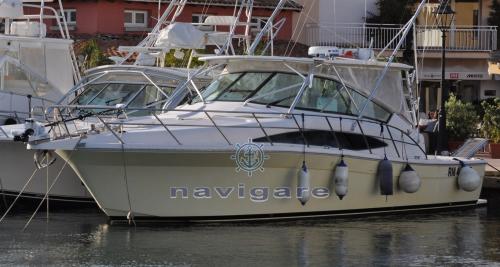
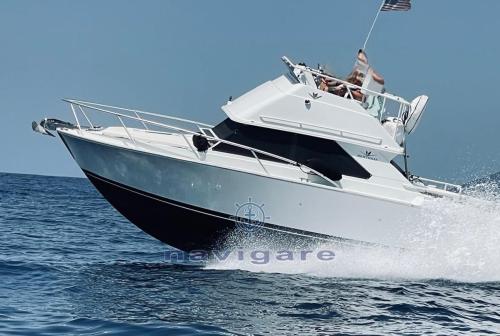
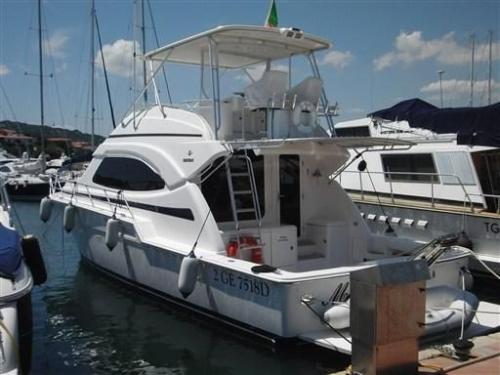
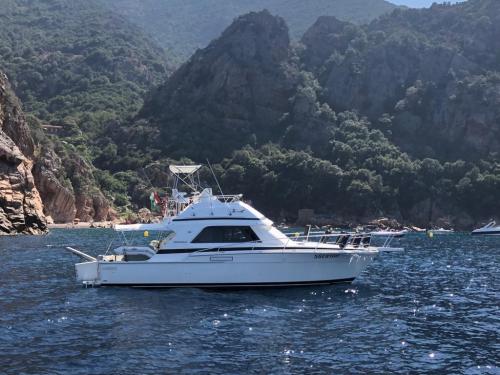
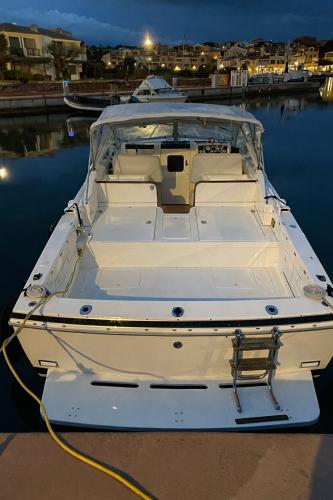
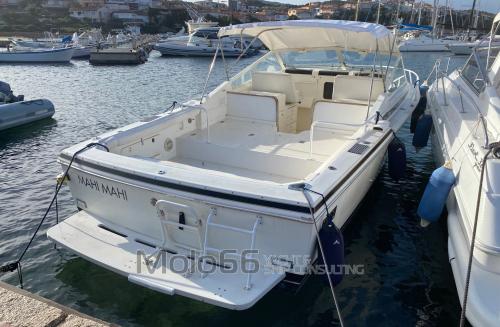
bertram yacht 28' moppie
70 000€ All Tax IncludedUsed
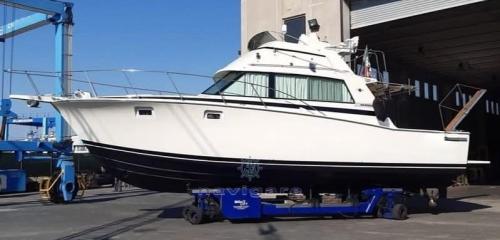
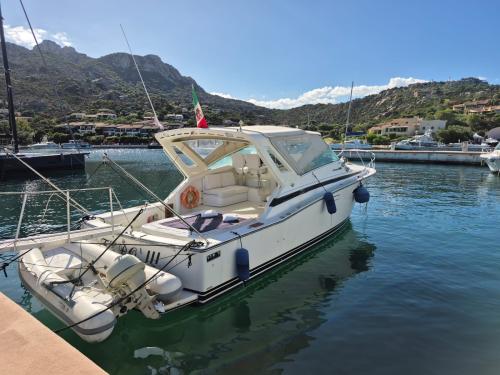
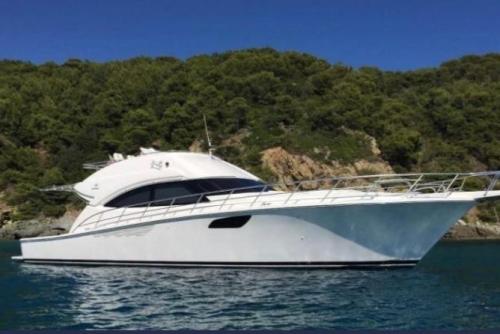
bertram yacht 38' special
90 000€ All Tax IncludedUsed
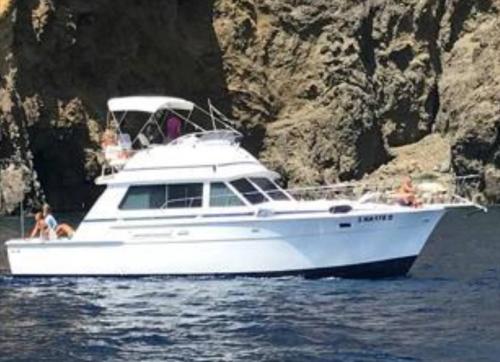
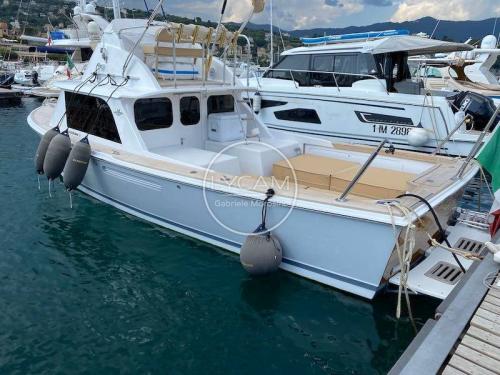
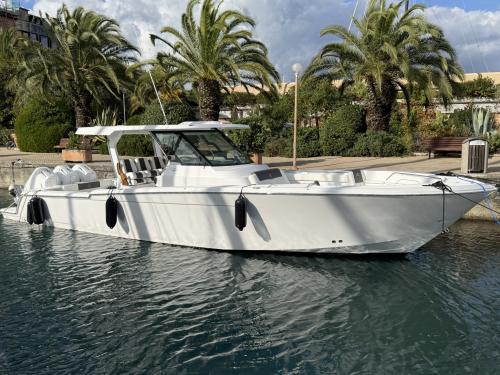
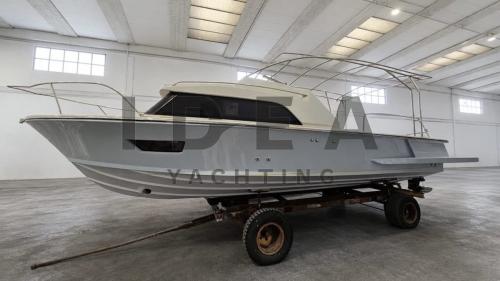
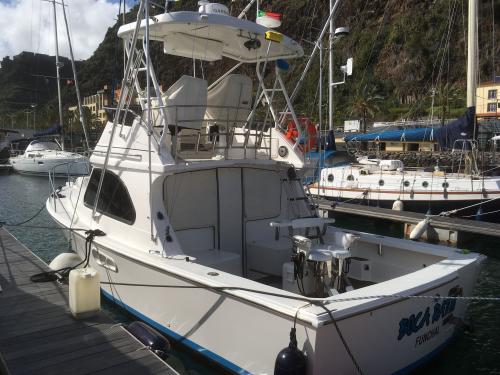
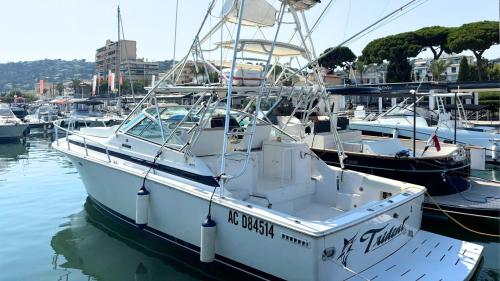

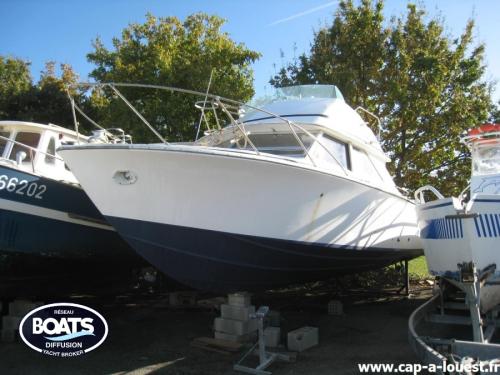
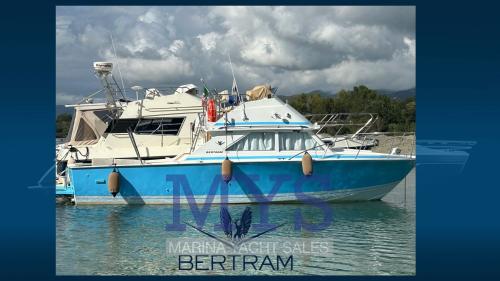
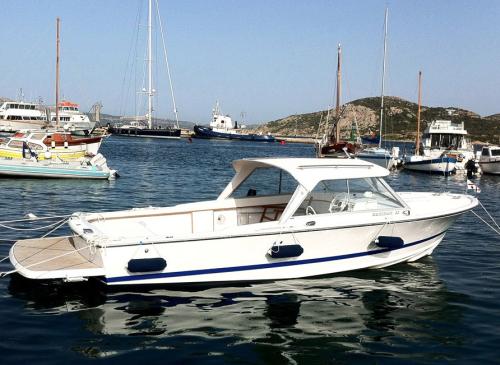
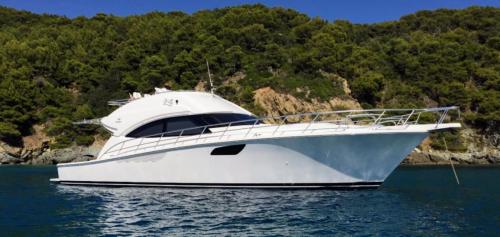
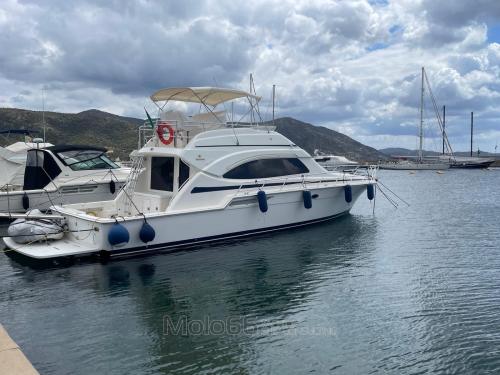
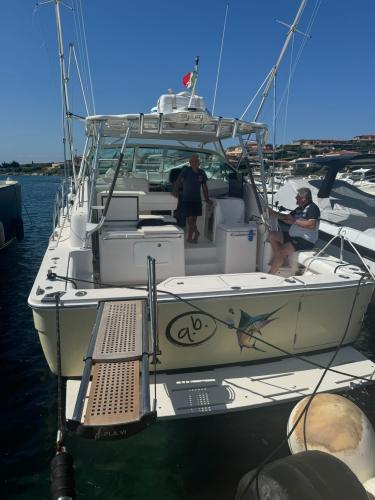
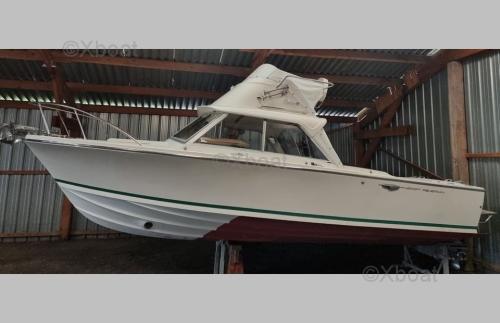
bertram riva bertram 25 sport fisherman
55 000€ All Tax IncludedUsed
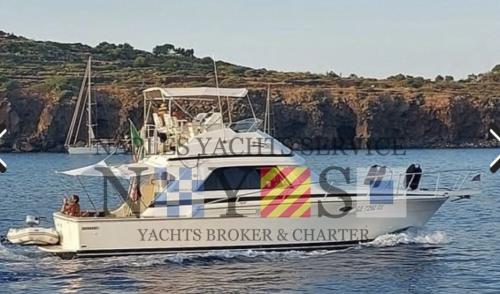
bertram 37' convertible
130 000€ All Tax IncludedUsed

bertram yacht 28' sport convertible
63 000€ All Tax IncludedUsed

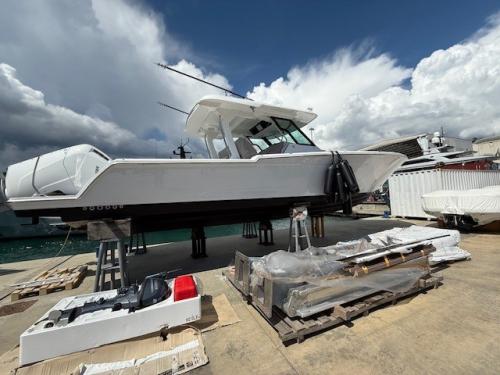
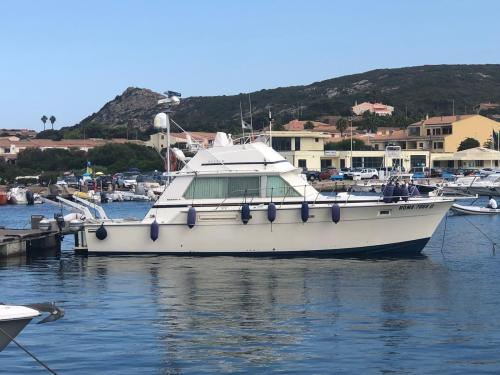

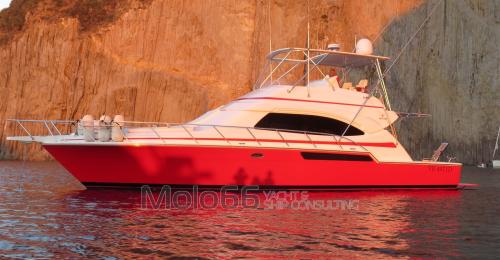
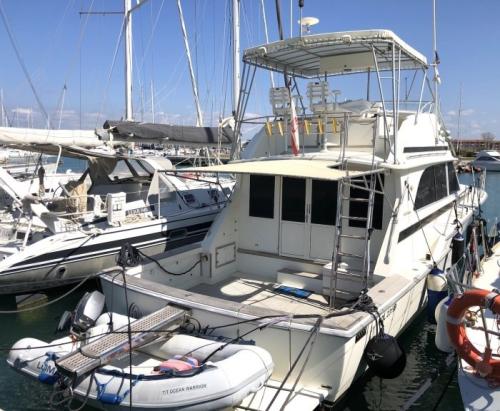
Bertram Yachts second-hand: the hull that changed motorboat navigation — and the Italian cult that never forgot it
There are moments in naval architecture history that change everything. In 1960, Richard Bertram and designer Ray Hunt entered a boat they called "Moppie" in the Miami-Nassau offshore race. It won in sea conditions that defeated flat-bottomed competitors. That boat introduced the Deep-V hull to production boatbuilding — and nothing would ever be the same in the world of performance motorboats.
Sixty years later, the second-hand Bertrams on this page embody that revolution. From 1981 Bertram 28s to 2006 Bertram 630 Convertibles, from 1966 Bertram 25s to brand-new 2025 Bertram 39 CCs — this is the catalogue of a brand that invented everything, whose oldest boats still navigate with the dignity and effectiveness that the Deep-V hull has always promised.
Ray Hunt, the Deep-V and "Moppie": the story every Bertram buyer needs to know
The Deep-V hull is not a construction detail — it is an architectural revolution that redefined the possibilities of the performance motorboat. Before 1960, fast boats used flat or shallow-arched hulls — quick in calm water, uncomfortable and dangerous when conditions deteriorated. Sharp entries absorbed bow impact, but the entire boat suffered in short chop.
Ray Hunt proposed a radically different idea: a deep-V hull extending the full length, with the deadrise angle maintained at the transom. This shape penetrates the sea rather than slamming it — it cuts through waves, absorbs impact, maintains a stable trajectory even at high speed in rough conditions. The 1960 Miami-Nassau race provided the public demonstration: Moppie won where other boats gave up.
The Bertram 31, in production from 1961, industrialised this revolution. It became the world reference sportfisherman for two decades — from the Caribbean to the Mediterranean, from the Gulf of Mexico to the Portuguese coast. Owners who bought a Bertram 31 in the 1960s often kept it for twenty or thirty years. This is not nostalgia — it is proof that the design was right.
The Bertram market in the Mediterranean: understanding the Italian concentration
The most striking observation on this page is geographical: the vast majority of second-hand Bertrams available in Europe are based in Italy — Liguria, Sardinia, Tuscany, Campania, Lazio, Puglia. This is not coincidence and deserves explanation.
Bertram benefited in Italy from a dual historical presence. On one hand, Riva produced Bertrams under licence in the 1970s-1980s — the "Riva Bertram" models, like the Riva Bertram 25 Sport Fisherman visible on this page, are boats built in Italy to Bertram plans with Riva's quality of finish. These examples are particularly sought after by Italian collectors as they combine the prestige of two iconic brands.
On the other hand, Bertram today belongs to the Gavio Group, an Italian industrial conglomerate that acquired the American brand and ensures its continuity. This Italian ownership explains the strong presence of Bertram distributors and dealers in Ligurian and Tuscan ports — and the density of listings in the Mar Ligure, Porto Ercole and Varazze.
For the French buyer, this Italian concentration is a concrete opportunity: Bertrams sell for less in Italy than in Anglo-Saxon ports where their reputation is even more established, and they are at a reasonable driving or transport distance from the Côte d'Azur or Corsica.
Model families: reading Bertram listings without getting lost
Bertram's nomenclature is more complex than it appears — the abbreviations and versions deserve explanation to read listings correctly.
The SF suffix (Sport Fisherman) designates the traditional fishing cockpit version — large open aft cockpit for fishing, forward helm station with flybridge. This is the classic Bertram configuration from the brand's origins.
The Moppie suffix — which recurs in many Bertram 28 and 36 listings — is a direct reference to Ray Hunt's original prototype boat. At Bertram, "Moppie" designates versions with an open cockpit and particularly pronounced Deep-V hull. This is the purest Bertram — the one closest to the brand's founding philosophy.
The FBC suffix (Flybridge Cruiser) designates versions with a full flybridge and more generous interior accommodation — more oriented toward cruising than pure fishing.
The CC suffix (Center Console) is the modern designation — the Bertram 39 CC is the current expression of the Bertram concept in a fully open 360-degree centre console architecture.
The word Convertible in Bertram models designates configurations with a fishing cockpit aft and enclosed helm/saloon forward, with flybridge — the most versatile layout in the range, bridging serious offshore fishing and comfortable family cruising.
What the Deep-V hull actually changes in use
Bertram's central technical argument is not a marketing claim — it is a physical reality felt immediately at the helm in conditions where other boats struggle.
In cross-chop — the short, disordered sea typical of the Mediterranean during summer wind events or the Gulf of Lion — a Bertram with a pronounced Deep-V hull navigates where flat-bottomed boats must reduce speed radically or abandon the passage. The significant deadrise angle at the transom (generally 18 to 24 degrees on classic Bertram models) produces energy dissipation that protects the crew from the hard slams that other hull forms transmit directly.
The trade-off of this hull is slightly reduced static stability at anchor — a Bertram rolls a little more than a flat-bottomed boat when stationary in lateral chop. This is the compromise that offshore fishermen and blue-water sailors have always accepted: the Bertram is built to navigate, not to stay at the dock.
The market range: from €19,000 to over a million
The listings on this page cover sixty years of Bertram production — an amplitude that reflects the exceptional longevity of these boats and the diversity of buyer profiles they attract.
At €19,000-€60,000, Bertram 25s and 26s from 1966-1986 are the entry points into the Bertram cult — old boats, sometimes very old, whose value is essentially historical and emotional for collectors who want to own a piece of American sportfisherman history.
At €40,000-€130,000, Bertram 28, 33 and 37 models from the 1980s-2000s form the heart of the Mediterranean Bertram second-hand market. These 8.5 to 12-metre boats represent the Deep-V at its best in an accessible format — small enough to be manageable, robust enough to handle all Mediterranean conditions. The concentration of Bertram 28 Moppies from 1990-1994 between €40,000 and €75,000 is the most active segment on the page.
At €130,000-€410,000, the Bertram 37, 43, 46.6 and 450 Convertibles from 1987-2005 are the serious offshore sportfishermen — 11 to 14-metre boats capable of real offshore fishing, with Caterpillar or GM engines reconditioned to zero hours on the best examples.
At €400,000-€850,000, the Bertram 510, 540 and 630 Convertibles from 2001-2010 are the grand representation sportfishermen — 16 to 20 metres, twin high-power diesel, professional fishing equipment and cruising yacht habitability.
At over a million, the new 2025 Bertram 39 CC at €1,055,942 ex-VAT — triple Mercury 400 hp, Seakeeper 3, Vesselview electronics — represents the contemporary Bertram in its most technologically advanced form.
What to check when buying second-hand
The engine is the primary issue on older Bertrams. These boats were produced with a wide variety of engines over the decades — Caterpillar diesel, MerCruiser petrol, GM V8, Cummins, Volvo Penta depending on the model and refit history. The key is not the engine brand — it is the refit documentation. An engine "reconditioned to zero hours in 2021" with yard invoices is worth infinitely more than an original 1987 engine without history. Listings that explicitly state their engine refits with dates and current hours are the safest purchases.
The fibreglass hull on classic Bertrams is good quality for its era — these American yards built in thick polyester laminate, often more robust than contemporary European production. But age requires a moisture meter survey during a haul-out, particularly on examples that have stayed afloat for extended periods in warm southern Mediterranean waters.
Teak cockpit decking on well-equipped versions deserves inspection. Teak cockpit decking on a 1987-1995 Bertram is 30-38 years old. It may be in good condition if regularly maintained, or may require complete refurbishment (€8,000 to €18,000 depending on surface area).
Italian administrative documentation requires attention — VAT status, flag, Italian registration. These procedures are accessible but require a maritime lawyer or broker familiar with the flag transfer process.
Riva Bertrams (like the 1970 Riva Bertram 25 Sport Fisherman at Bordeaux) require particular vigilance on authenticity and original finish condition — their collector value is tied to original state.
Bertram market prices in 2025-2026
| Model / Range | Year | Indicative price |
|---|---|---|
| Bertram 25, 26, 28 (older versions, basic condition) | 1966-1985 | €19,000 – €55,000 incl. VAT |
| Bertram 28 Moppie / SF / Fly (restored or good condition) | 1986-1994 | €40,000 – €80,000 incl. VAT |
| Bertram 31, 33, 36 Moppie | 1980-2009 | €60,000 – €265,000 incl. VAT |
| Bertram 37 Convertible / SF | 1986-1995 | €90,000 – €145,000 incl. VAT |
| Bertram 38, 42, 43 Convertible | 1978-1995 | €90,000 – €200,000 incl. VAT |
| Bertram 46 / 46.6 Convertible | 1979-1995 | €60,000 – €250,000 incl. VAT |
| Bertram 450 / 510 Convertible | 2001-2006 | €375,000 – €415,000 incl. VAT |
| Bertram 540 / 630 Convertible | 2004-2010 | €785,000 – €855,000 incl. VAT |
| Bertram 39 CC (new 2025) | 2025 | €1,055,000 ex-VAT |
Indicative ranges, market May 2026. VAT included unless otherwise stated.
Bertram and offshore fishing: a boat for sailors who make real passages
It needs to be said clearly: Bertram is not the best choice for the boater who wants a convivial boat for picnics at anchor and family outings in fine weather. Other brands respond better to this profile — more lounge cockpit, more bimini, more banquettes.
Bertram is the best choice for the boater who genuinely wants to navigate — in all conditions, far from the coast, with a boat that doesn't frighten them when the sea rises. It is the boat of fishermen who go beyond 30 miles offshore, of sailors who enjoy night crossings, of rough-water enthusiasts who want an instrument designed precisely for that.
The Mediterranean market understood this before anyone else. The Italians who have maintained their 1990-1994 Bertram 28 Moppies and still take them out regularly in the Mar Ligure or off Sardinia are not practicing nostalgia — they are practicing navigation.
Our verdict
Bertram Yachts is one of the most legitimate motorboat brands in the history of world pleasure boating — and one of the least known to the broader European public, precisely because its natural clientele is not one that seeks to be seen, but one that seeks to sail. The Deep-V hull invented by Ray Hunt in 1960 is as valid today as it was when Moppie won at Miami-Nassau. And the boats it produced — from the 1960s to the current models — keep that promise with a consistency that the yard's history confirms at every generation.