
 > Prestige Yachts
Prestige Yachts for sale
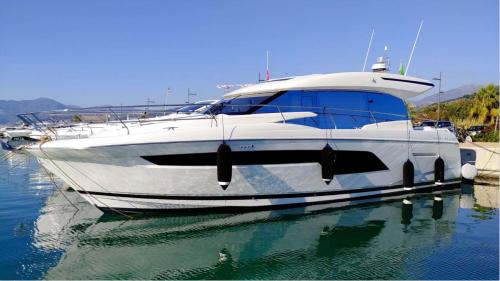
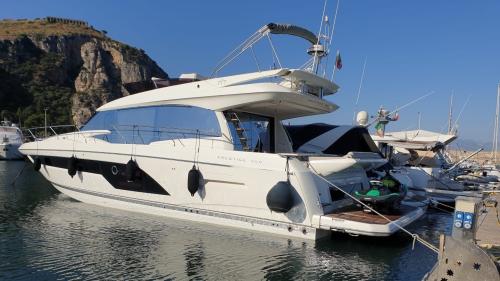
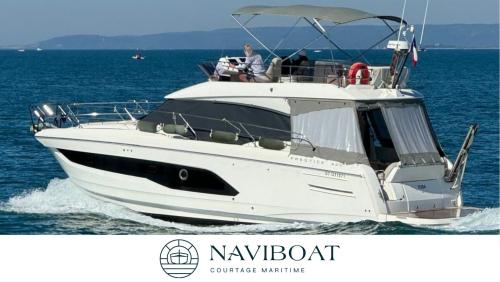
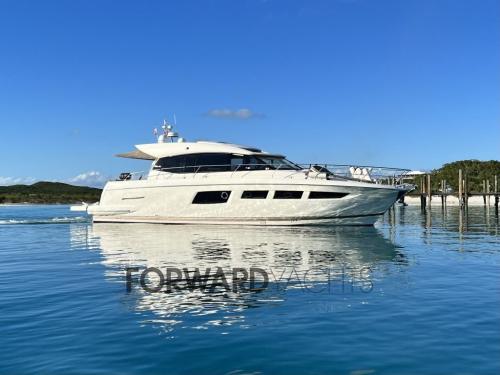
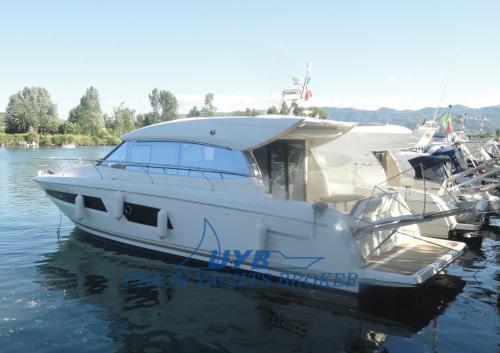
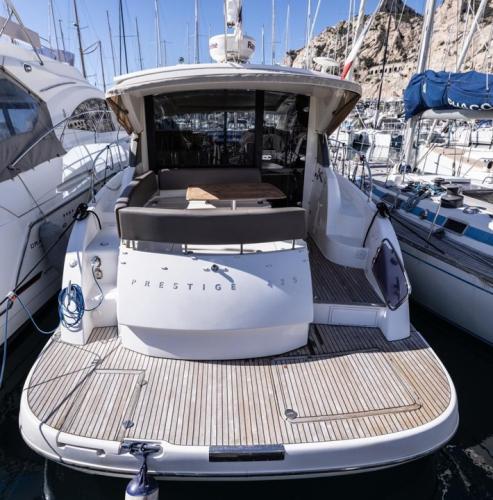
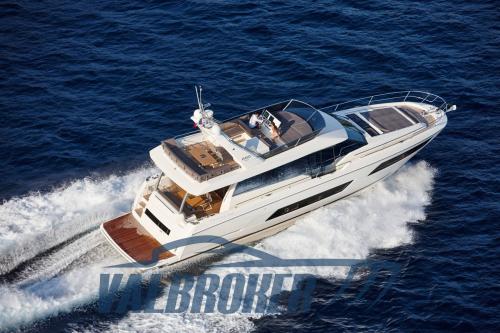
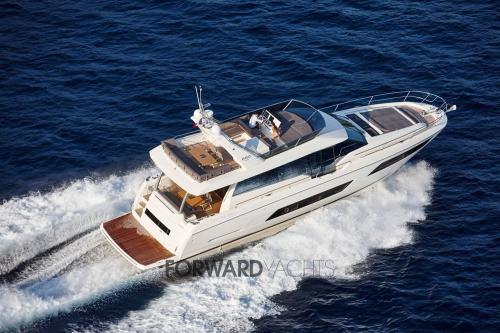
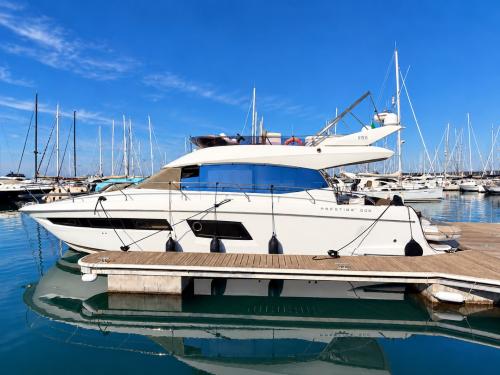
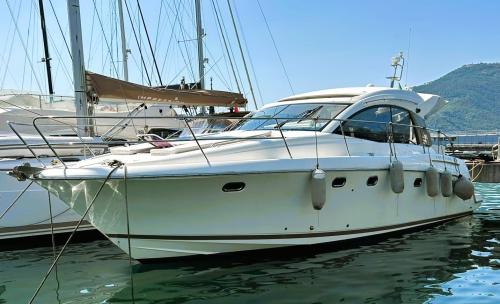
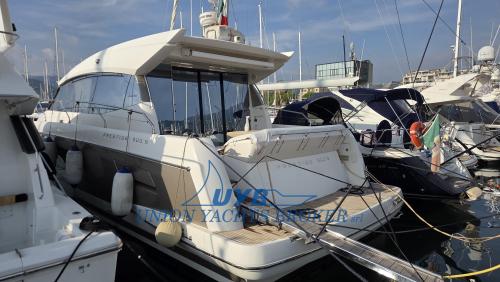
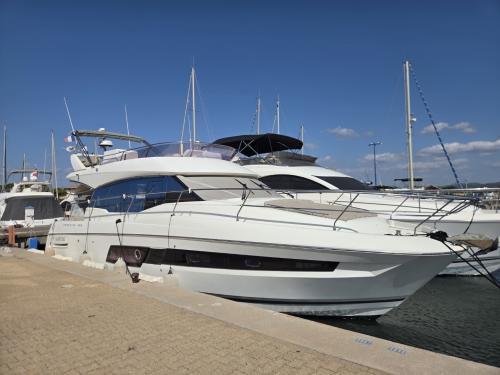
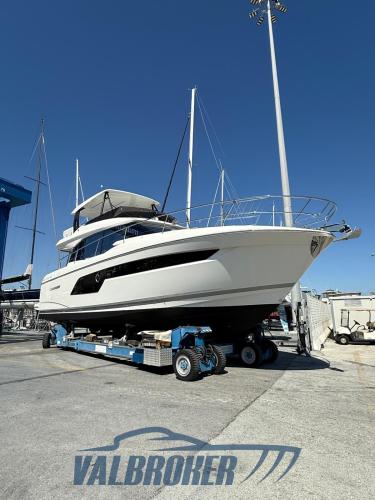
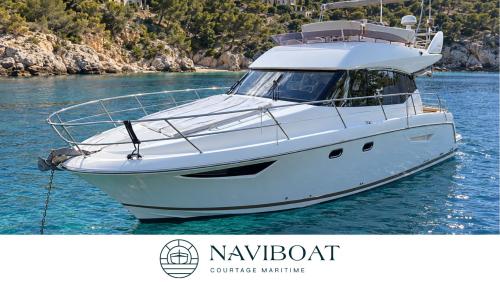
prestige 460 fly
549 000€ All Tax IncludedUsed
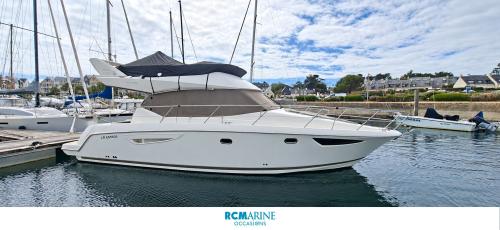

prestige yachts 350 fly
155 000€ All Tax IncludedUsed
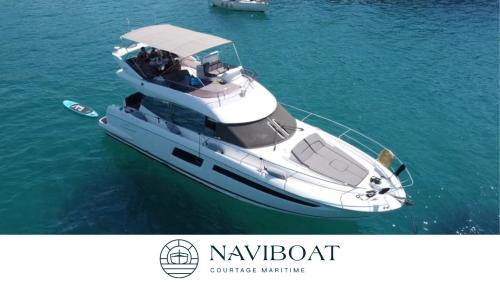
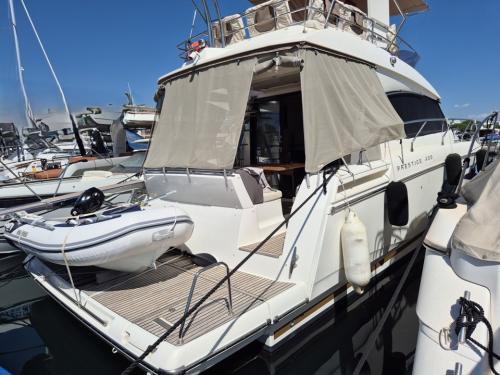
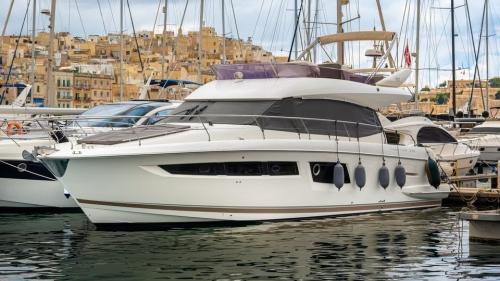
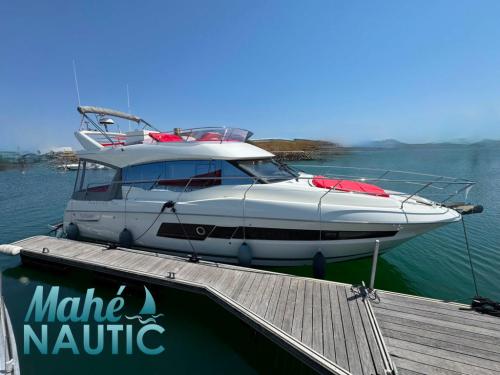
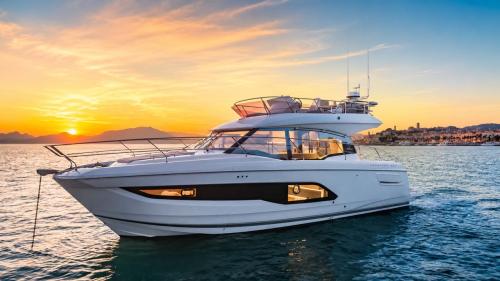
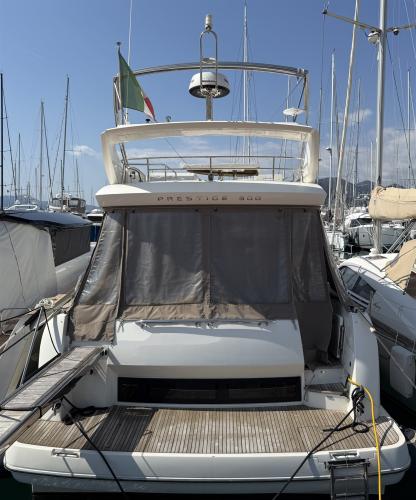
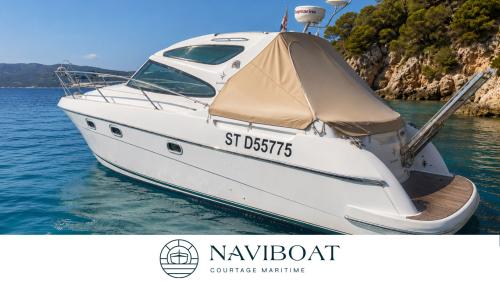
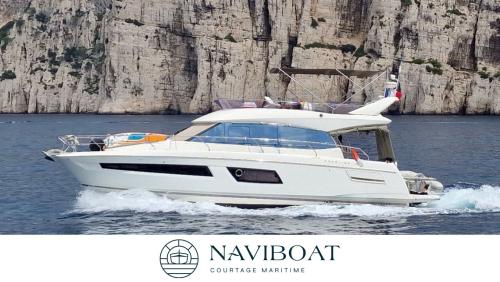
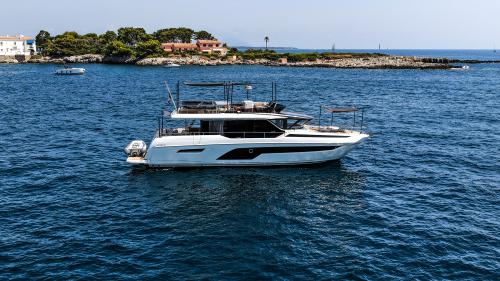
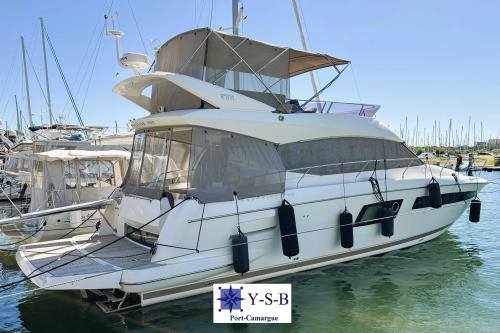
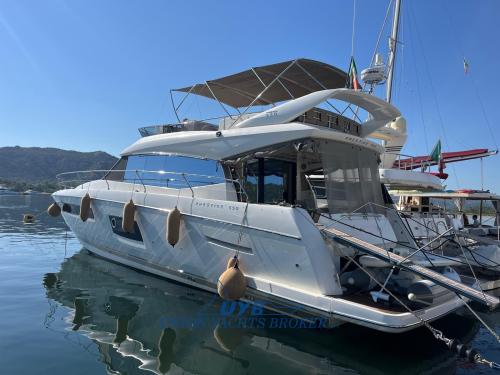
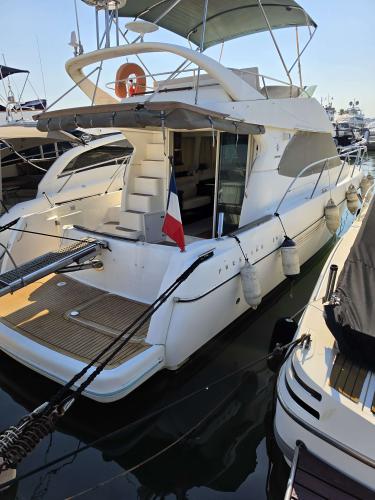
prestige prestige 36
84 500€ All Tax IncludedUsed
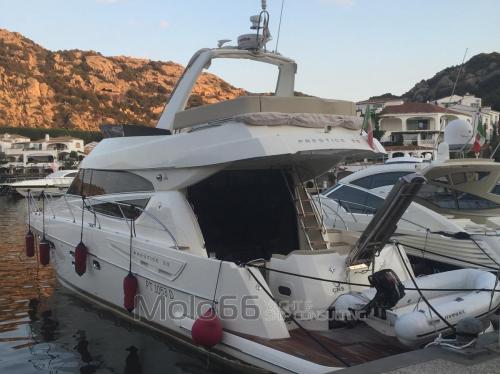
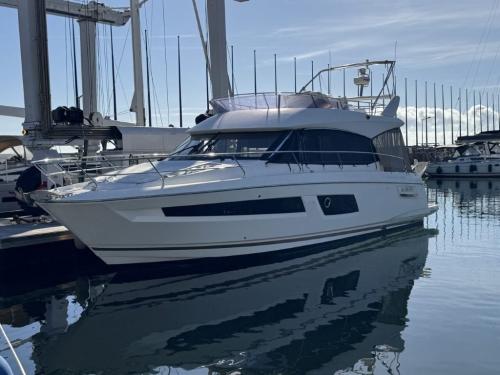

jeanneau prestige prestige 50 fly
399 000€ All Tax IncludedPre owned


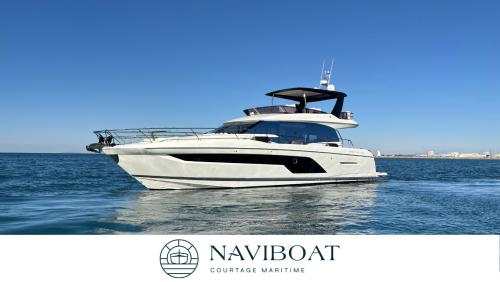
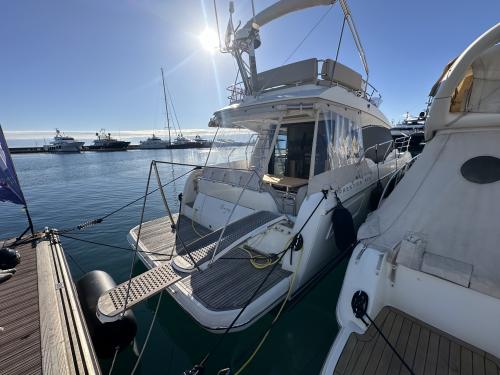
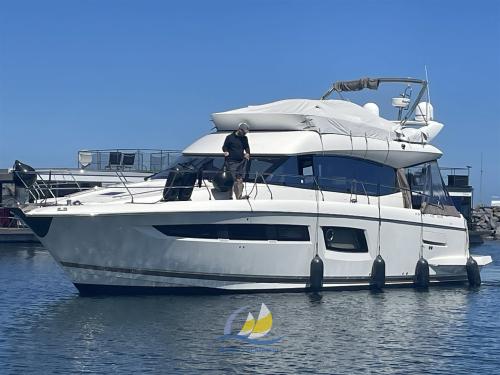
prestige prestige 500 fly
549 000€ All Tax IncludedUsed
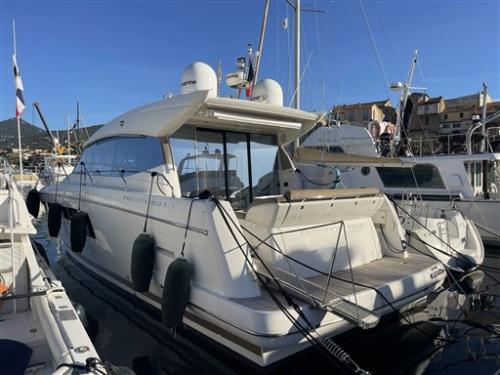
prestige prestige 500 s
340 000€ All Tax IncludedUsed
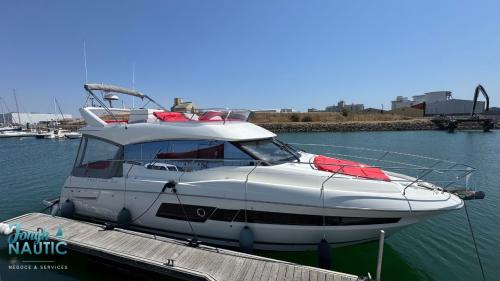
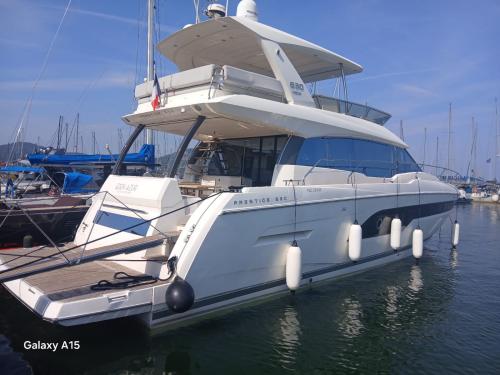
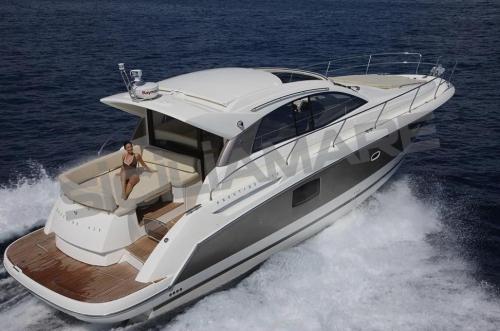
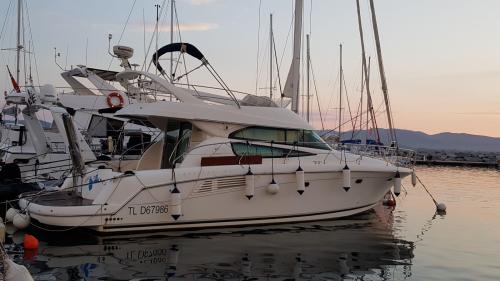
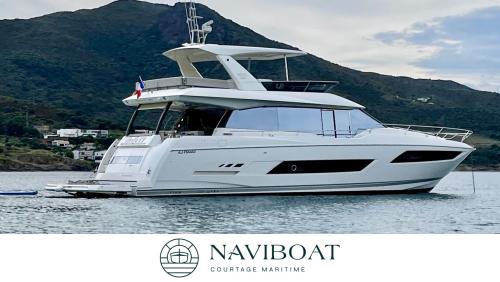


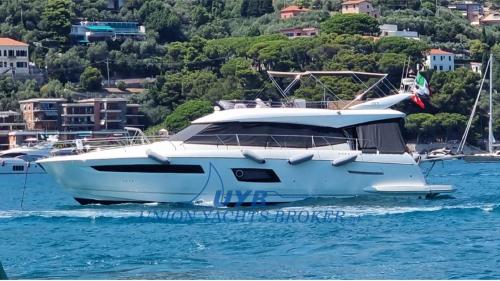
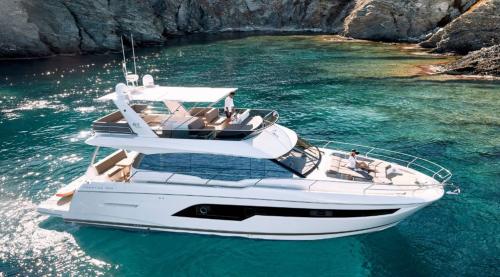
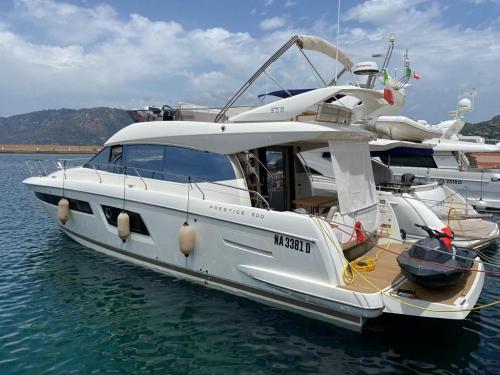
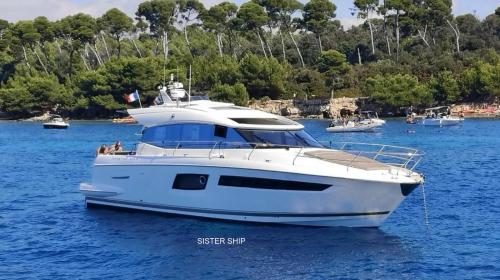
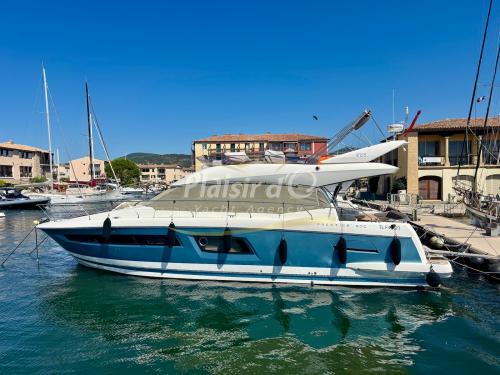
prestige 500 fly
595 000€ All Tax IncludedPre owned
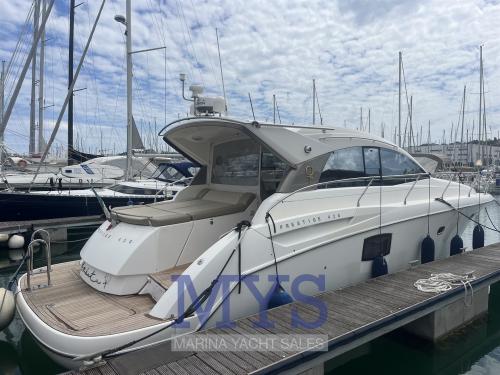
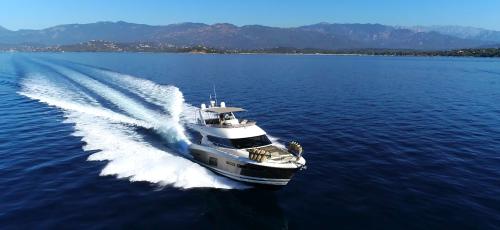
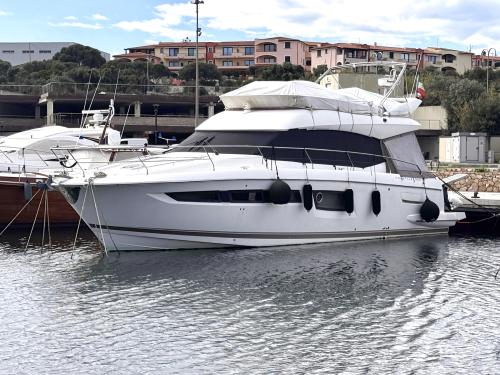
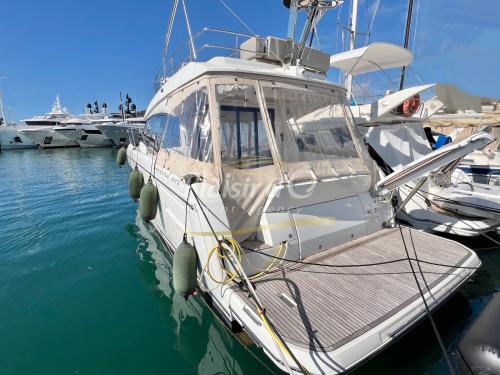
prestige yacht 420 fly
530 000€ All Tax IncludedPre owned
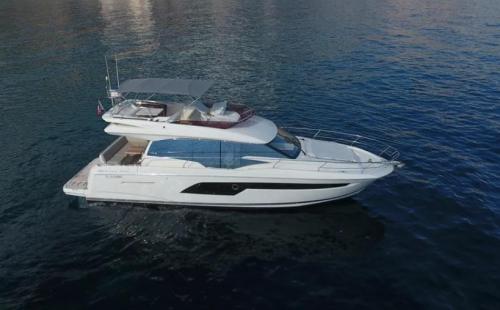
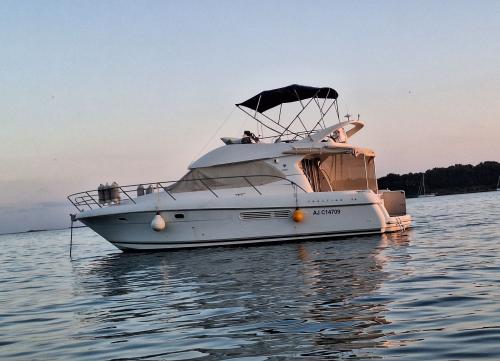
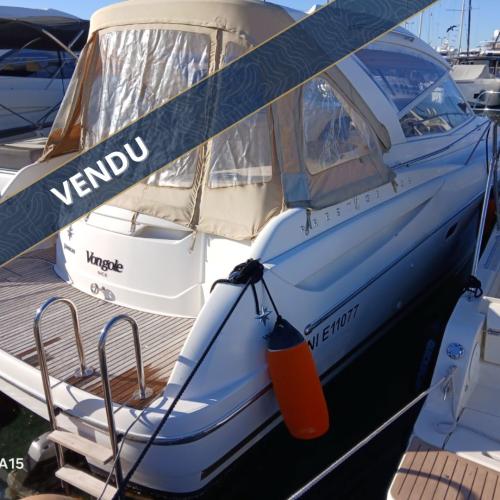
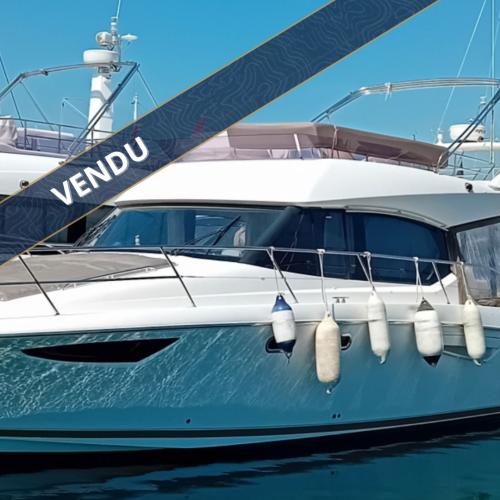
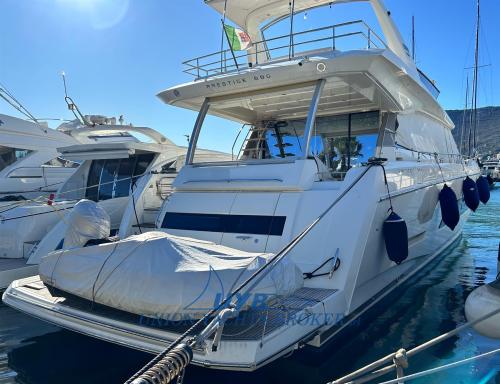
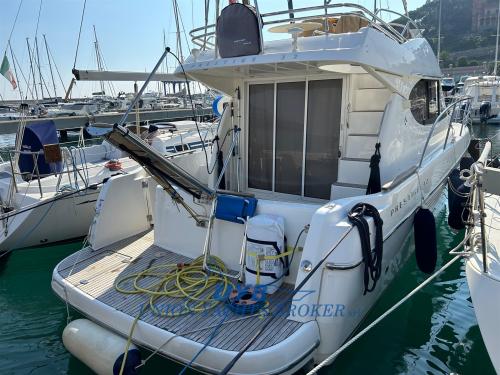
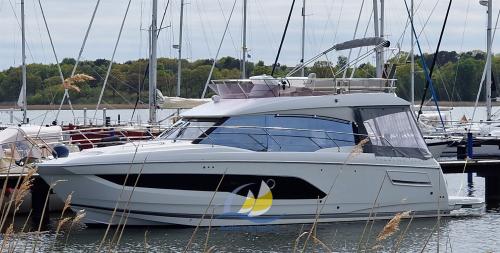
prestige yachts prestige 420 fly | joystick | hydraulische badeplattform |300 h
479 000€ All Tax IncludedUsed
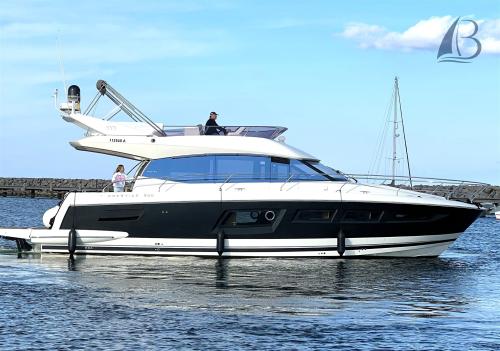
prestige yachts prestige 500 fly
589 000€ All Tax IncludedUsed
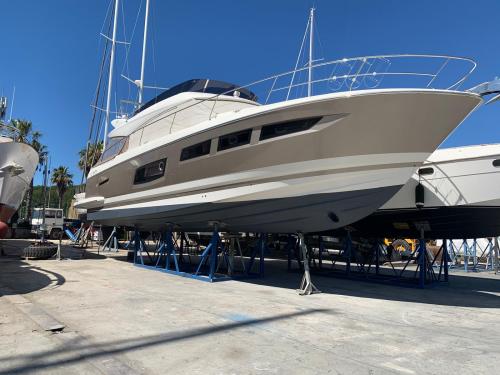
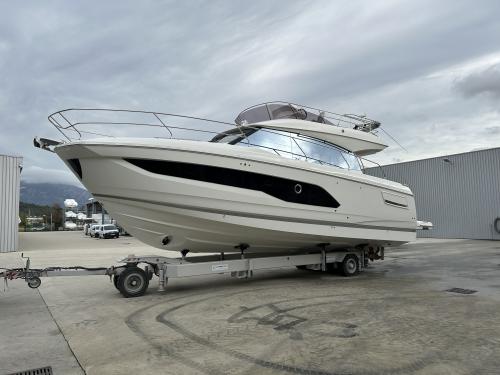
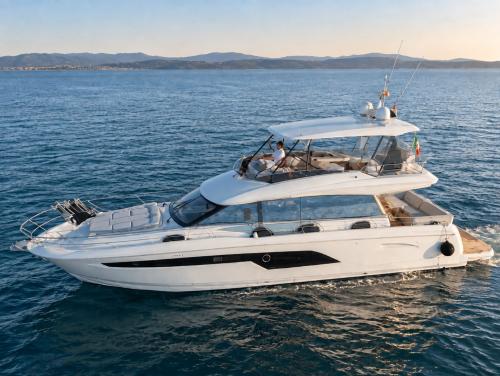
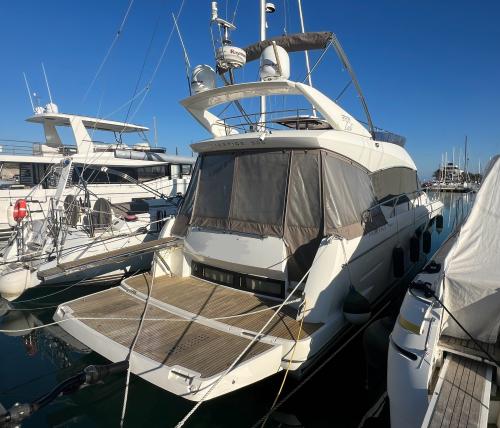
Yachting Address Review — Prestige Yachts: the Vendée flybridge builder that invented its own category
Prestige was born, quite literally, from a passing boat: in 1957, Henri Jeanneau watched an outboard speed past his window in Les Herbiers and instantly found his calling. Thirty-two years later, in 1989, the Jeanneau yard launched the Prestige 41 — its first luxury motor yacht, designed by the Italian studio Garroni Design. This is the same Garroni Design that signs today's Jeanneau Sun Odyssey 349 and 440 we have reviewed on this site — the creative continuity between the two Groupe Bénéteau brands is not a coincidence; it is a deliberate house policy.
The Prestige second-hand market on this page is one of the deepest and most active in the catalogue — over 70 listings spanning boats from 9 to 22 metres, from €69,500 for a 2010 Prestige 30S to over €6 million for the new M8 power catamaran. This is the full picture of a brand that has reinvented itself several times without losing its identity.
Why some listings say "Jeanneau Prestige" and others simply "Prestige"
This is the first source of confusion for anyone discovering this page, and it has a precise historical explanation — exactly the same phenomenon we documented on the Sanlorenzo and Azimut pages of this site.
Until 2008-2009, Prestige was a range sold under the "Jeanneau" banner — boats were officially "Jeanneau Prestige". In 2009, following the commercial success of over 2,000 units sold across Europe, Prestige became an independent brand within Groupe Bénéteau, with its own international distribution network (including the US and Asia shortly after). Listings showing "Jeanneau Prestige 50 Fly" or "Jeanneau Prestige 42S" for 2009-2010 model years reflect this transition period — these are the same boats as more recent "Prestige" models, simply registered or described under the former brand designation.
Decoding Prestige nomenclature: F, S, X and M are not options, they are philosophies
Since the mid-2020s, Prestige has reorganised its entire range around four clearly identified lines marked by a letter — a system progressively replacing the older simple-size nomenclature (420, 500, 630...) and the "Fly" suffix. Understanding these four lines is essential to correctly reading a recent listing.
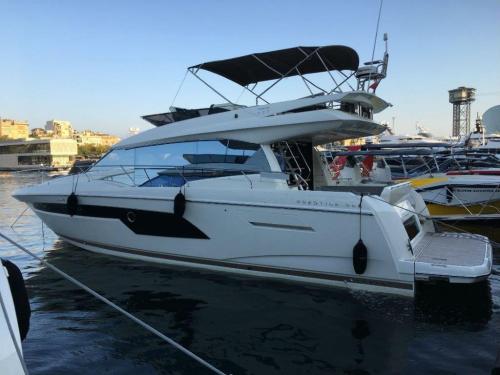
The F-Line (F3.7, F4, F4.9, F5.7...) is the direct heir of the historic Prestige flybridge — the one that built the brand's reputation since the Prestige 36 of the year 2000. It is the global reference in the flybridge segment, with a dual helm station, a large upper deck outdoor area, and the "Owner's Suite" layout introduced on the Prestige 500 "Icon" — the owner's suite positioned midship with 360-degree panoramic views, an innovation that defined the brand's identity for the following decade.
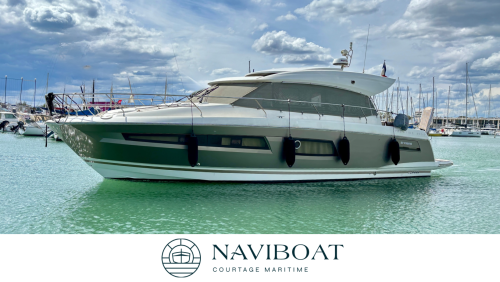
The S-Line is Prestige's answer to demand for sportier handling — no flybridge, low coupé silhouette, twin joystick controls, and a piloting experience the yard itself describes as "race-car-like". The Prestige 420S, 440S, 450S, 500S and 60S belong to this line.
The X-Line, launched in the early 2020s with the X70 then the X60 in 2022, is a moderate-speed luxury cruising concept — less focused on top speed, more on habitability, onboard silence and connection to the water. This is Prestige's answer to the Azimut Magellano and Sunseeker Predator in this "crossover" segment that prioritises long-range comfort.
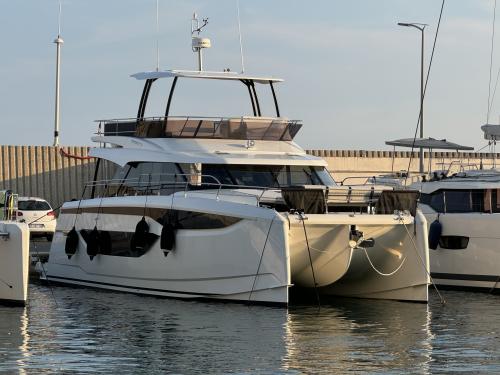
The M-Line is the most recent revolution — Prestige's first power catamaran, launched in 2022 with the M48 in world premiere at the Cannes Yachting Festival. Designed once again by Garroni Design for the exterior and interior, with naval architecture by Frenchman Philippe Briand, the M48 has a deliberately narrower profile (6 metres beam) and taller than most powercats on the market — a stepped hull that cuts efficiently through waves rather than planing broadly. The central, mobile swim platform can form a 6-metre-wide terrace or rise to create an additional outdoor lounge. The M48 won the Design Innovation Award 2022 and was named European Powerboat of the Year in 2023. The larger M8 followed to extend the range.
Two yards, one philosophy
Prestige produces its models across two distinct sites reflecting a logical split by size. The historic Les Herbiers site in Vendée, adjacent to the original Jeanneau yard, concentrates the design and production of mid-range models. The Monfalcone site in Italy, near Trieste — owned by Groupe Bénéteau Italia — is dedicated to the most ambitious builds, generally from the 500-590 range upward. This split explains why some large Prestige listings (590, 630, 680, 690) mention an Italian provenance from the factory.
Volvo IPS propulsion: the 2010 turning point
The launch of the Prestige 60 in 2010 marked a technical turning point for the brand: it was the first large Prestige model fitted with Volvo IPS pods and joystick manoeuvring, propulsion that subsequently spread across virtually the entire range above 12-13 metres. On the second-hand market, this technical transition separates two generations of purchase vigilance: pre-2010-2011 models with classic shaft drives, and later models with IPS.
On IPS versions, pod inspection (joint membranes, pivot bearings, documented Volvo services) is the number one vigilance point, exactly as on Jeanneau Leader, Pardo or Cranchi M44 HT models of this generation. On older shaft-drive versions (Prestige 36 Fly, 42 Fly, 46 Fly pre-2010), stern glands and Cutless bearings deserve systematic haul-out inspection.
What the second-hand market reveals
The Prestige market is remarkably liquid for a premium brand — over 5,000 units sold since 1989 according to official Groupe Bénéteau figures, creating a second-hand market depth that few Italian or British competitors of similar standing can claim in Europe.
Entry-level models (30S, 36 Fly, 400, 420) between €70,000 and €300,000 cover 15-20-year-old boats — accessible brand entry for boaters who want Prestige standing without the budget of larger units.
The core range (440S to 520 Fly) between €250,000 and €850,000 is the most active segment — the majority of transactions concentrate here, on 12-16-metre boats with progressive, predictable depreciation.
Large units (550 to 690, and the X lines) between €600,000 and over €3 million represent the brand's premium segment — 16-21-metre yachts competing directly with Italian and British flybridges of the same size.
The recent M-Line positions above €1 million for the M48 and beyond €6 million for the new M8 — a still-young segment whose second-hand market is only beginning to form.
Prestige against competitors
On the F-Line, the most direct competitor is the Bénéteau Gran Turismo — paradoxically a sister brand within the same group — as well as the British Fairline Squadron and Princess F-Class. Prestige stands out through value for money and the density of its service network in France and the Mediterranean.
On the X-Line, the natural comparison is the Azimut Magellano — both proposals share the same moderate-speed long-range cruising philosophy.
On the M-Line, Prestige competes with power catamarans from Fountaine Pajot (also a sister brand) and Sunreef — a rapidly growing segment where Groupe Bénéteau's multihull expertise (Lagoon, Excess) is a structural advantage recognised by the specialist press.
What to check when buying second-hand
Volvo IPS pods on post-2010 versions — complete service documentation, joint membranes, pivot bearings. On a 10-15-year-old Prestige, the first serious pod overhaul must be documented.
Classic shaft drives on pre-2010 versions — stern glands, Cutless bearings, propeller shaft condition to verify during haul-out.
Precise line and model-year identification — with the coexistence of old nomenclature (size + Fly/S) and new (F/S/X/M + decimal), cross-checking with the hull identification number (HIN) at the yard is recommended to confirm the exact generation and original options.
The hydraulic mobile swim platform system on the M-Line — a specific component to verify in real operation during the viewing.
Yard service history — the Prestige dealer network is one of the densest in Europe; favour examples with documented history at an official dealer rather than informal maintenance.
Prestige market prices in 2025-2026
| Line / Size | Generation | Indicative price |
|---|---|---|
| 30S / 36 Fly / 400 / 420 (9-13 m) | 2003-2016 | €70,000 – €310,000 incl. VAT |
| 440S / 460 / 500 / 500S / 520 Fly (12-16 m) | 2008-2022 | €250,000 – €850,000 incl. VAT |
| 550 / 560 Fly / 590 / 620 / 630 (16-19.5 m) | 2013-2023 | €590,000 – €1,800,000 incl. VAT |
| 680 / 690 / 750 Fly / X60 / X70 (19-22 m) | 2015-2026 | €1,195,000 incl. VAT – €3,100,000 incl. VAT (new) |
| M48 / M8 (Power Catamaran, 14.8-19.8 m) | 2022-2026 | €1,099,000 ex-VAT – €6,120,000 incl. VAT |
Indicative ranges, market May 2026. VAT included unless otherwise stated.
Our verdict
Prestige has achieved what few brands born as a simple range within a large production yard manage: becoming an internationally recognised premium reference while retaining the accessibility and market depth that make Vendée-built production strong. Its recent reorganisation into four F, S, X and M lines is not a marketing exercise — it corresponds to four genuinely different sailing philosophies, and the right purchase starts with precisely identifying which one matches your use. The continuity of Garroni Design's studio from 1989 to today's M48 is proof of a brand coherence rare in an industry where design shifts succeed each other at a far faster pace.