

Lagoon 42 for sale
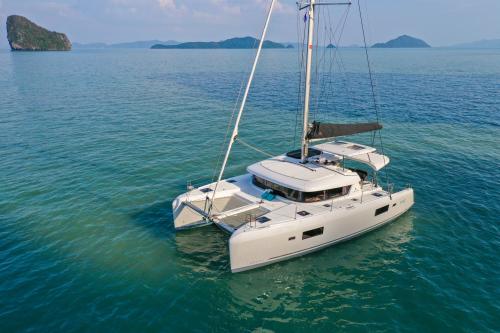
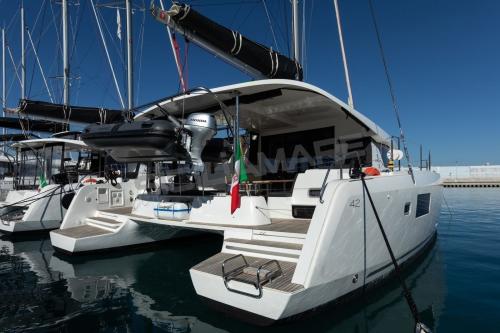
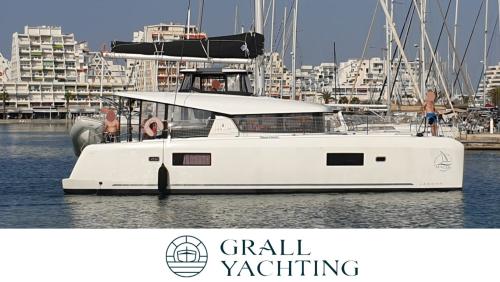
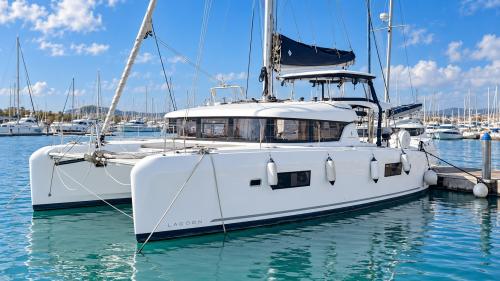
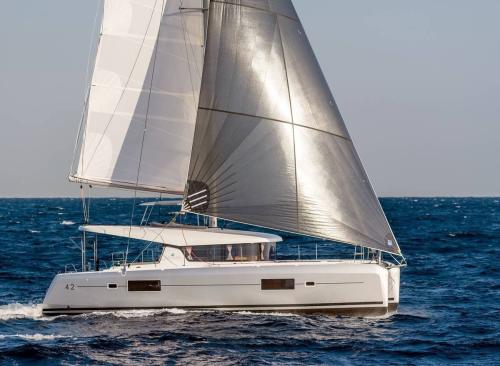
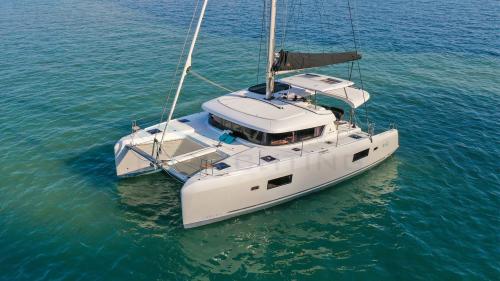
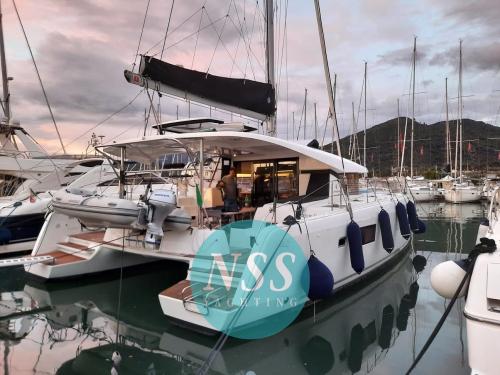

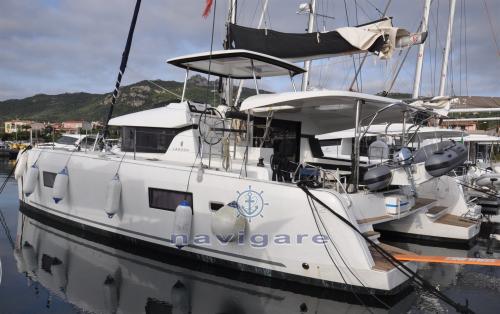

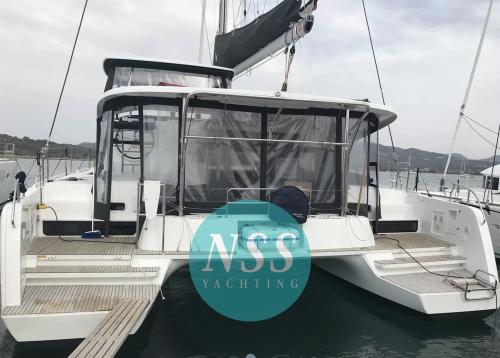

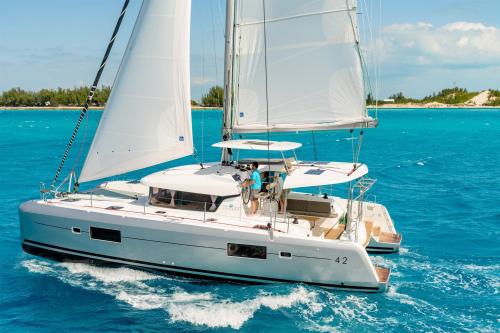
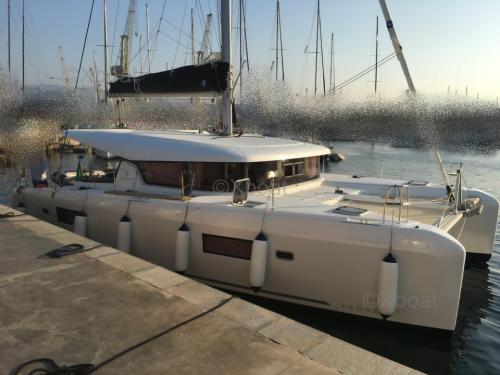
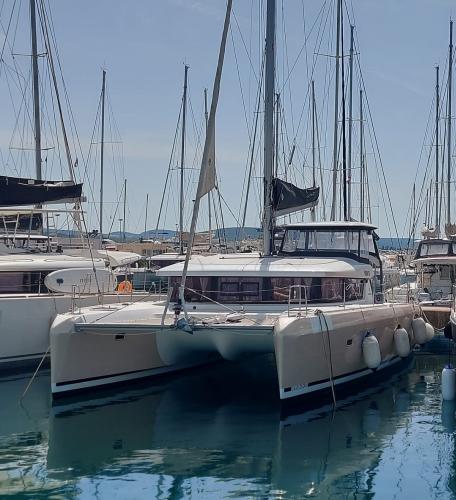
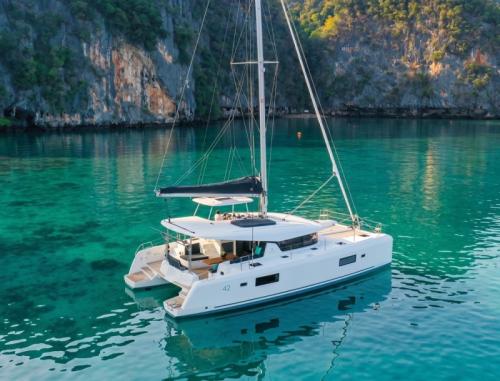
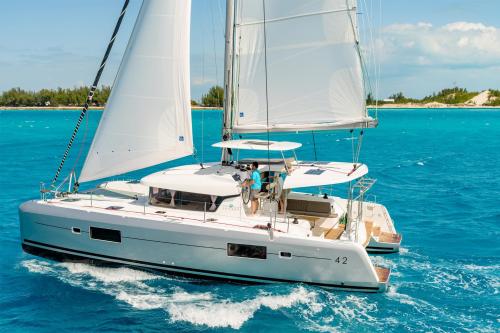
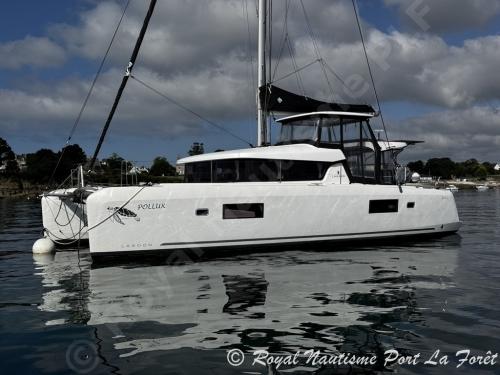
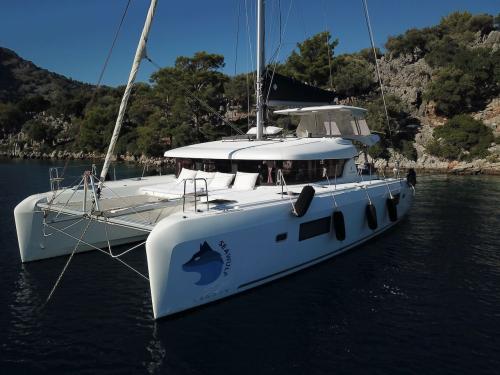


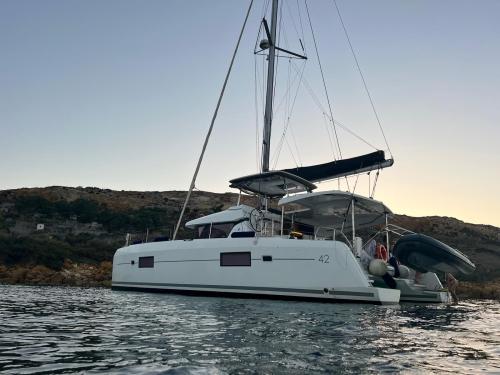
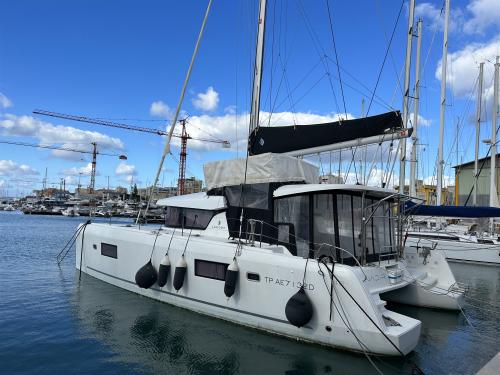
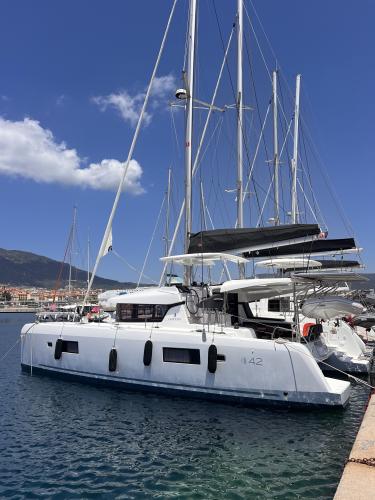
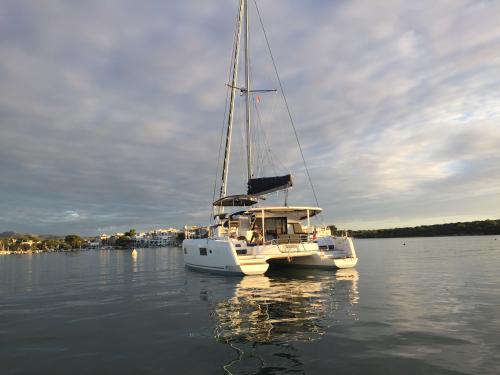
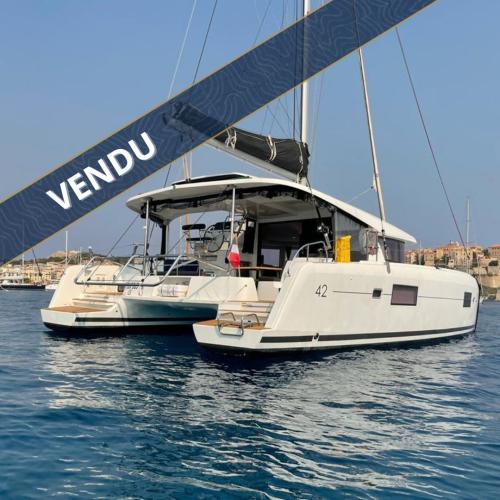
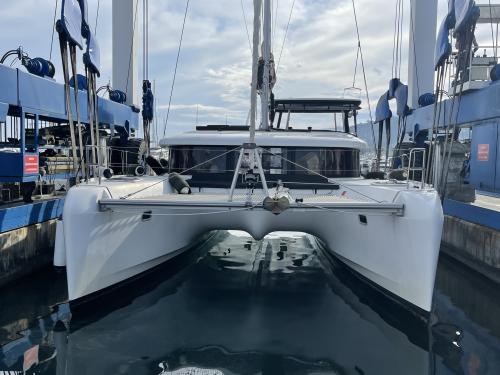
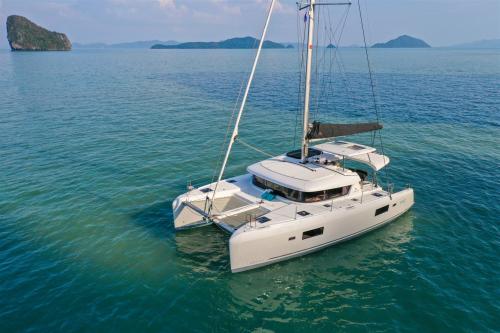
The Lagoon 42 is the best-selling catamaran of its generation. It is also the most imitated, the most copied, and paradoxically one of the most misunderstood.
Misunderstood because many buyers come with an idealized image of the perfect catamaran—stable, fast, spacious, and unsinkable—only to discover a boat that is all of those things, but under specific operating conditions. The Lagoon 42 does not forgive improvisation. It generously rewards those who know what they are doing and can quickly challenge those who approach it as nothing more than a large floating apartment with no sailing experience. Starting with this reality is doing future owners a service.
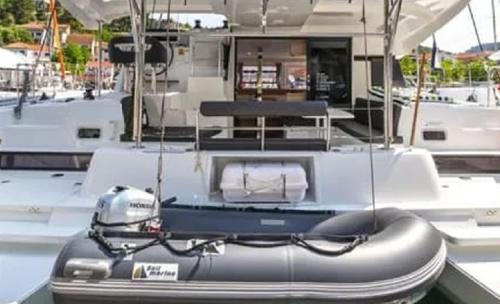
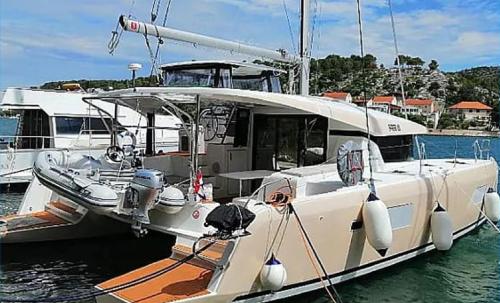
What the Lagoon 42 does better than almost anything else in its category is the onboard living experience at anchor. There is no need for a lengthy demonstration: a 15-square-metre saloon surrounded by 360° glazing, an L-shaped galley worthy of a modern apartment, four cabins each with their own private bathroom, a protected cockpit shaded by a permanent bimini, and an aft platform that rivals the size of a swimming deck. For a family of four or a group of six friends spending a week in the Greek Islands or the Caribbean, few sailboats offer such a proposition at this price point.
The W-shaped hull design and deck layout are the work of the architects Van Peteghem Lauriot-Prévost, the duo responsible for Lagoon designs for decades and who have perfectly balanced interior volume with acceptable performance. Because this is where the Lagoon 42 demands honesty: it is not a performance catamaran. At 6 to 8 knots under sail on a beam reach, it is in its comfort zone. Sailors coming from monohulls expecting spectacular downwind surfing performances may leave slightly disappointed—or discover that they simply need to adopt a different way of sailing, which is not necessarily a bad thing.
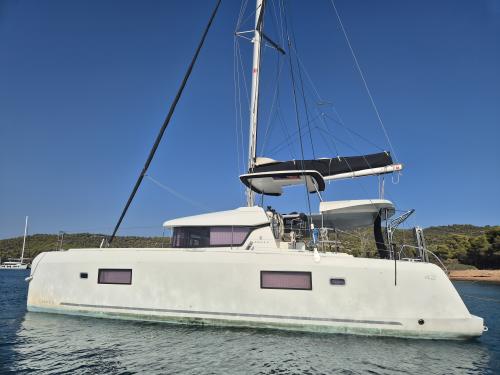
The charter versus owner version issue is central to this model and is rarely addressed with enough clarity. The second-hand Lagoon 42 market is largely supplied by boats coming out of Mediterranean and Caribbean charter fleets after three to five seasons of operation. These boats have often been maintained correctly by charter companies, but they have sailed at maximum capacity with crews of varying skill levels, and the small details—upholstery, deck hardware, electronics and sails—often reveal the marks of intensive use. The price difference between an owner's version and a refurbished charter boat may appear modest at purchase and become significant during the first twelve months of ownership. An independent marine survey is not an option on this model—it is an absolute necessity.
Specific technical points to monitor on the Lagoon 42: the hulls are built in polyester laminate, and osmosis is not uncommon on boats that have spent their entire lives afloat in tropical waters or the Mediterranean without winter haul-outs. The Yanmar 57 hp engines are reliable but often approach or exceed major service intervals on 2016–2020 units—expect to spend between €3,000 and €5,000 per engine for a proper overhaul. Sails on former charter units are frequently worn well before expected replacement periods, and a new 72 m² mainsail with lazy jacks and battens can cost between €8,000 and €14,000 depending on the quality selected.
Our buying window on the second-hand market: owner versions built between 2019 and 2021, with four cabins, well equipped (watermaker, generator, complete B&G electronics package), less than 2,000 combined engine hours and treated osmosis, generally trade between €370,000 and €440,000 depending on location and condition. This is arguably the most rational segment of the market: most depreciation has already occurred, the boat remains modern, and many years of cruising still lie ahead. Units built between 2016 and 2018 are more affordable but are approaching an age where several significant investments may become necessary simultaneously.
The inevitable comparison with the Fountaine Pajot Astrea 42: both boats compete directly and their owners debate their merits passionately. Overall, the Lagoon 42 offers superior interior living space and a particularly successful central saloon design, while the Astrea 42 is often perceived as slightly more seaworthy and refined under sail. These differences are not deal-breakers on either side—they are differences in philosophy. The final decision often comes down to the feeling experienced during a sea trial, which we strongly recommend before committing such a significant budget.
Our verdict: the Lagoon 42 is to sailing catamarans what the Antares 9 is to motor boating: the absolute benchmark in its category, the boat everyone knows, many desire, and serious owners rarely regret buying. Provided you commit to the acquisition and maintenance budget it deserves and truly sail it—not simply use it as an anchored floating apartment—it offers one of the most complete experiences modern cruising catamarans can provide.