
 > Prestige Yachts
Fiart for sale
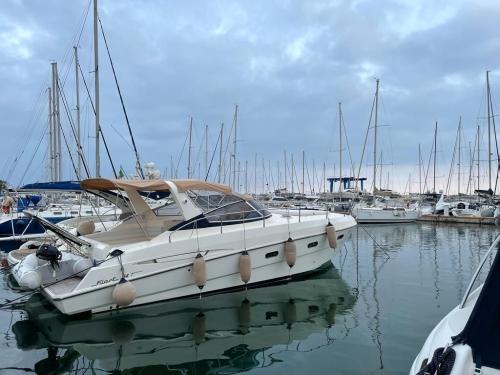
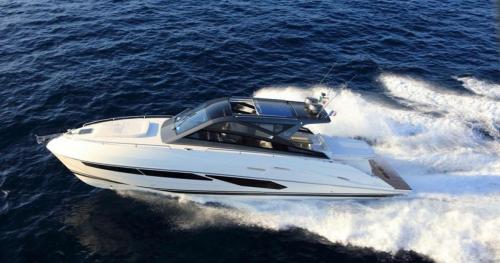
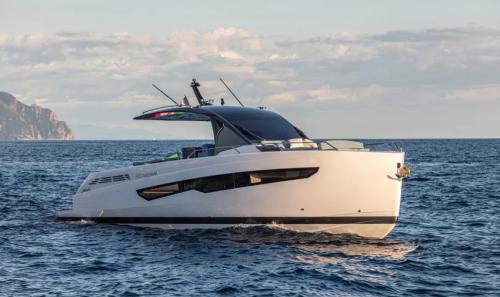
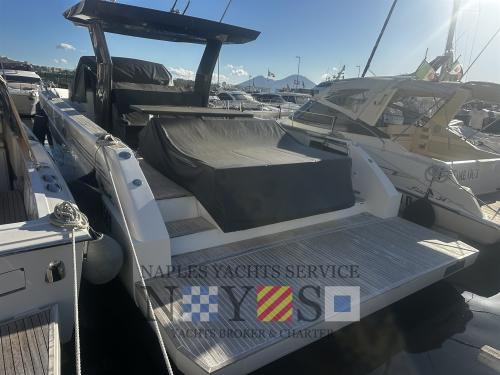
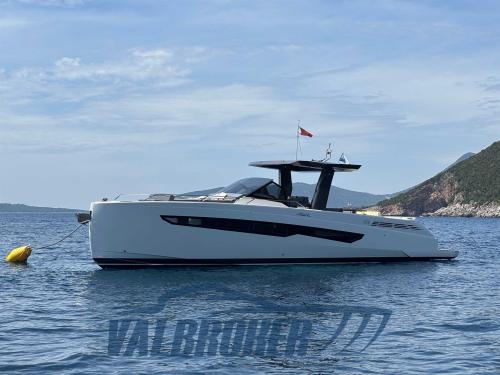
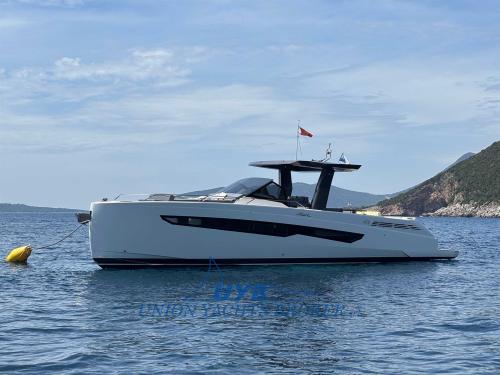
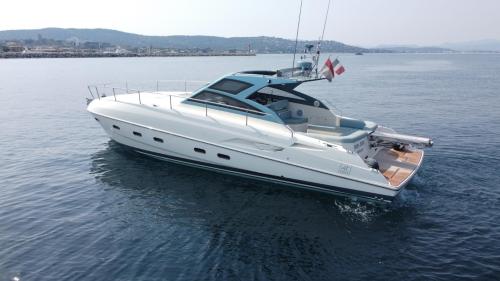
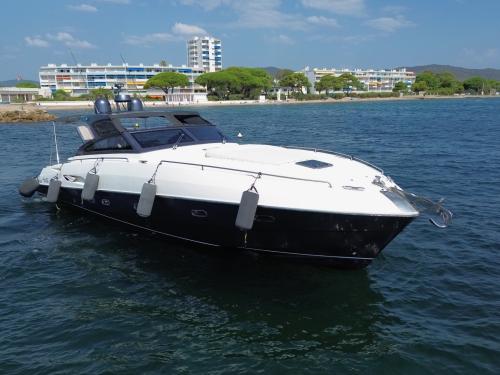
fiart mare fiart 43 seawalker panorama
800 000€ excluding taxUsed
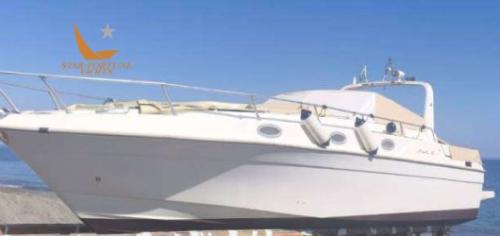
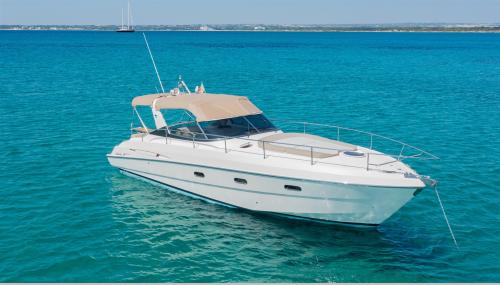
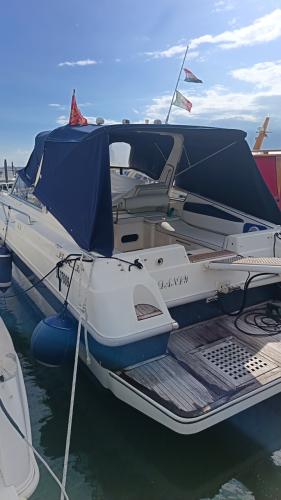
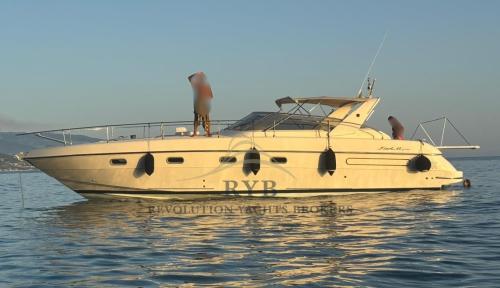
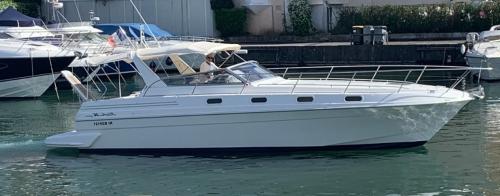
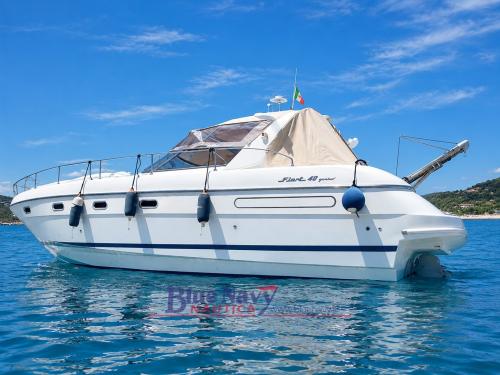
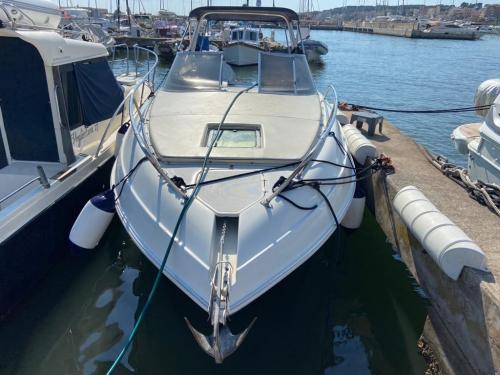
fiart 40 genius +2x260hp volvo penta kad44p
85 000€ All Tax IncludedUsed
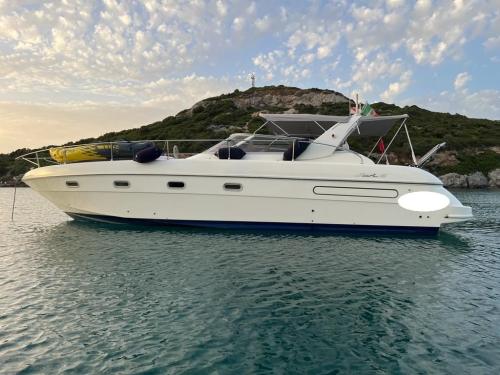
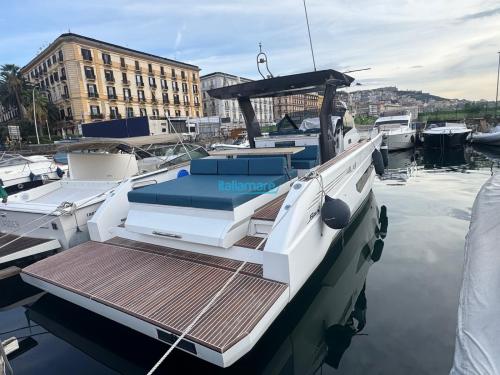
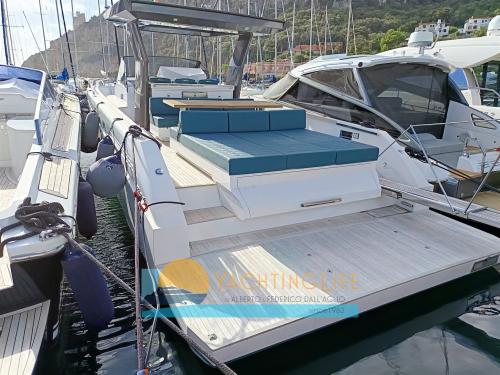
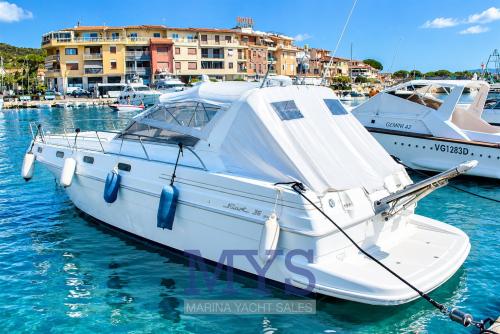

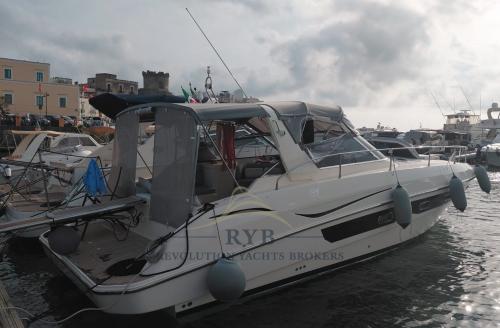
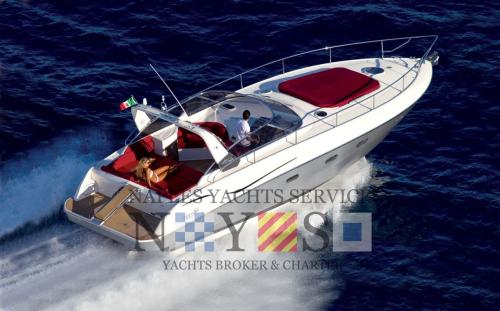
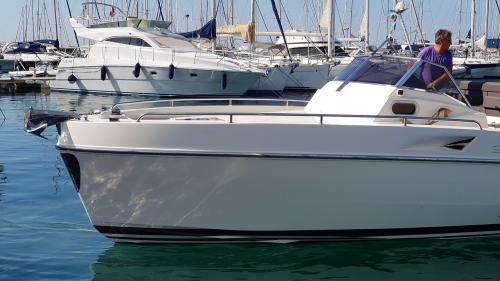
fiart mare fiart 40 genuis
110 000€ All Tax IncludedUsed
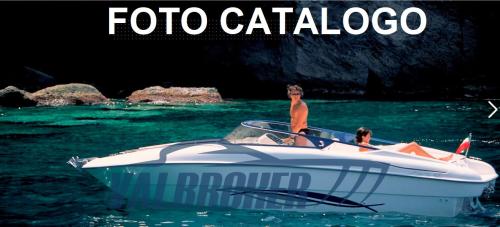
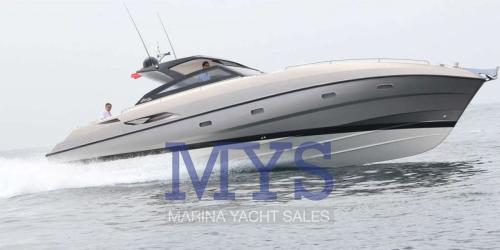
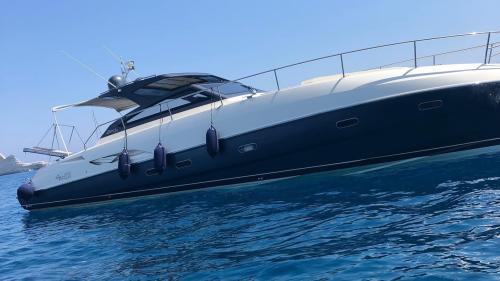
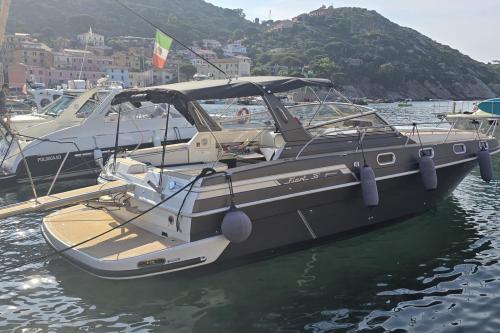
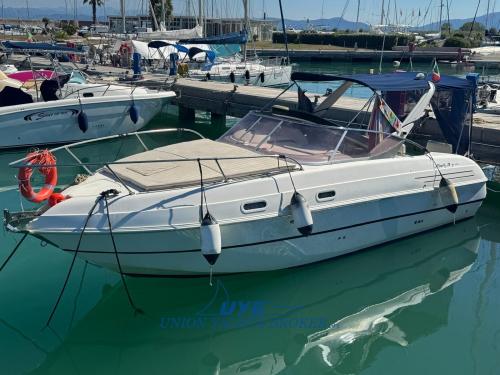
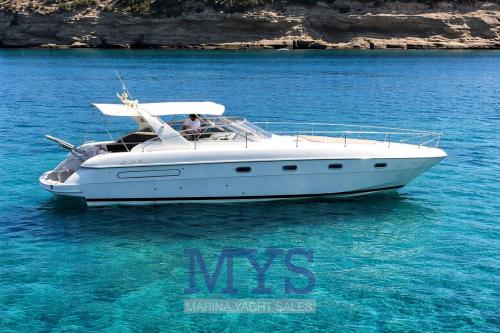
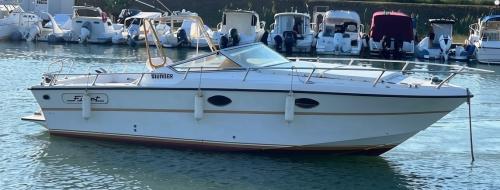
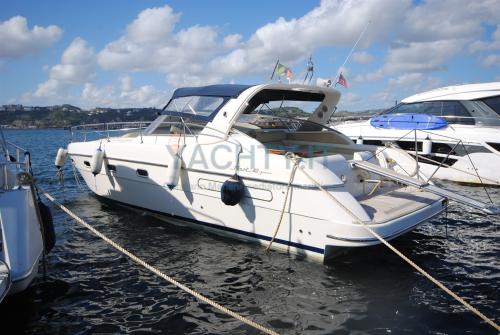
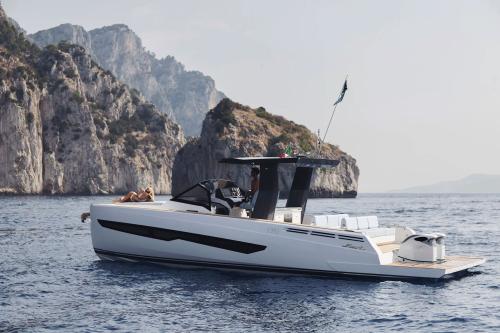
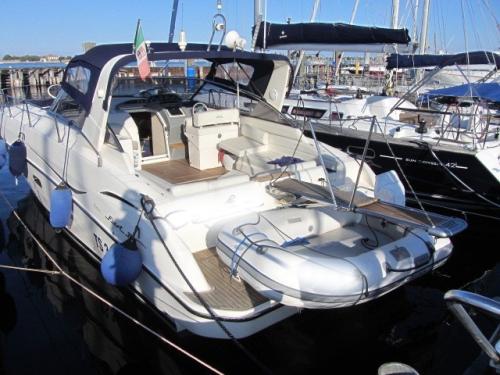
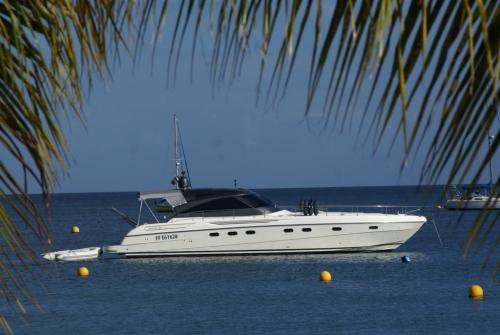
fiart mare fiart 40 genius
140 000€ All Tax IncludedUsed
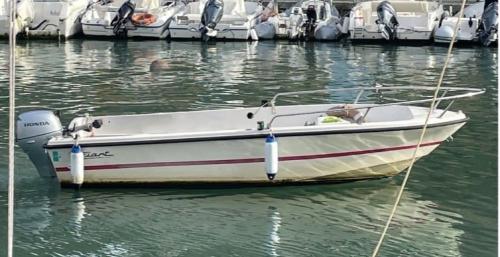
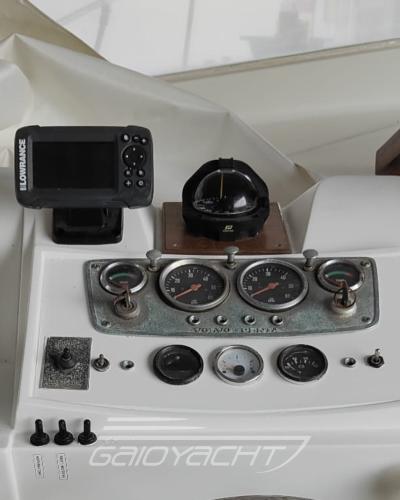
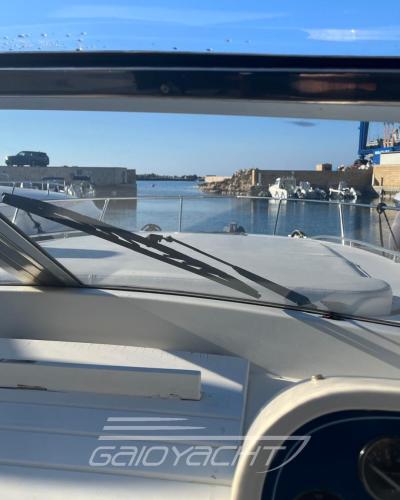

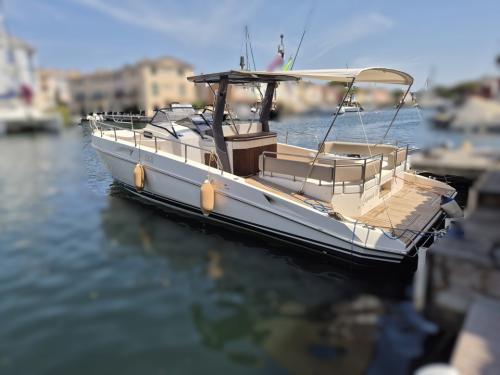
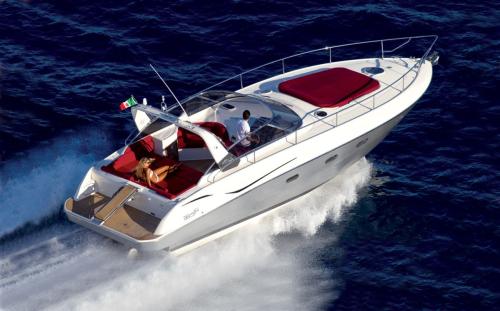
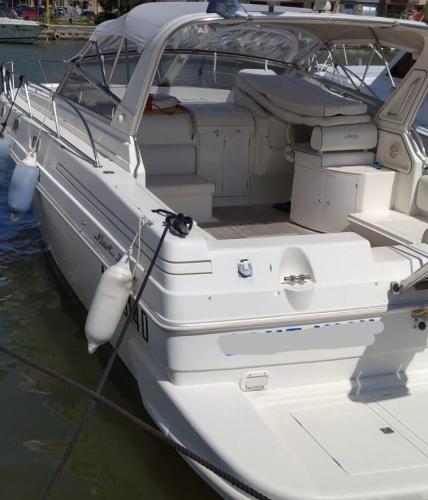

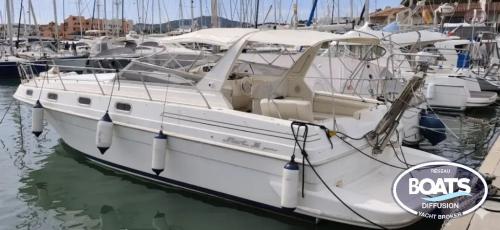
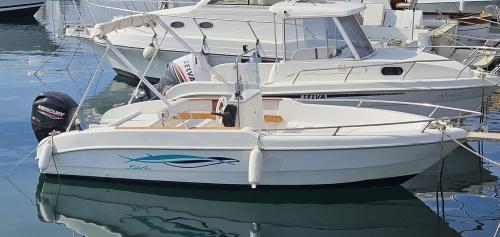

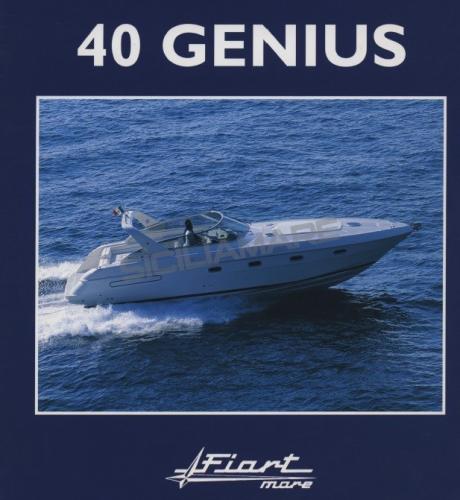
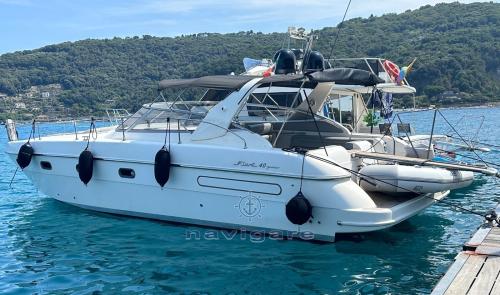
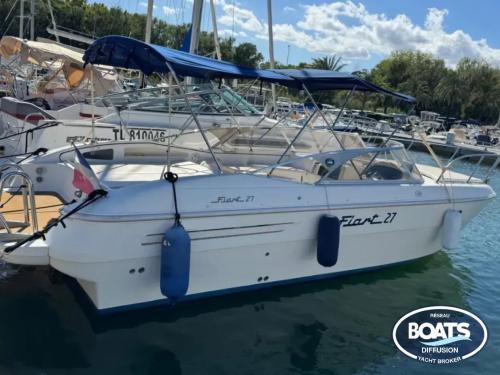
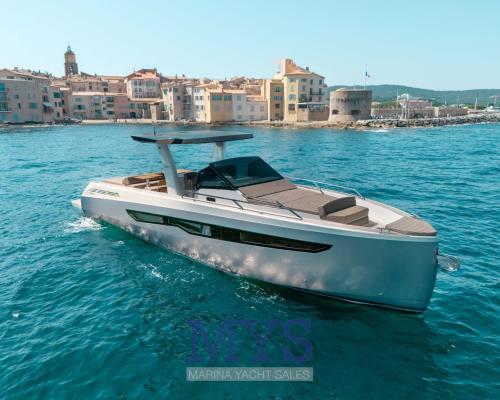
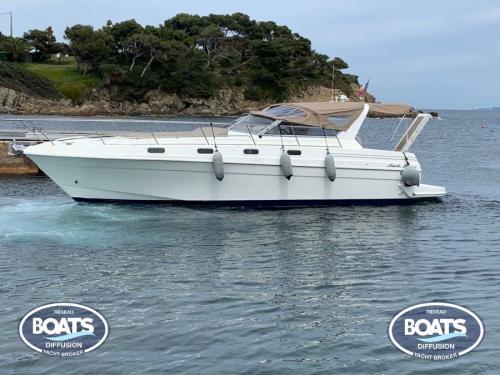
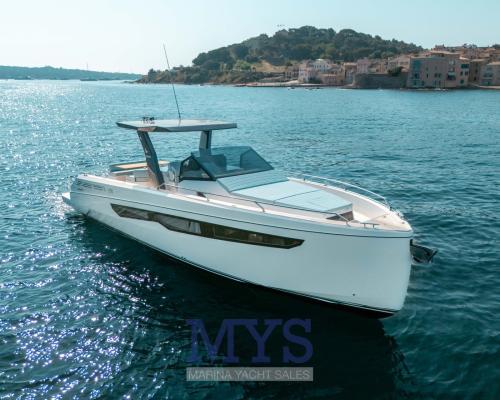
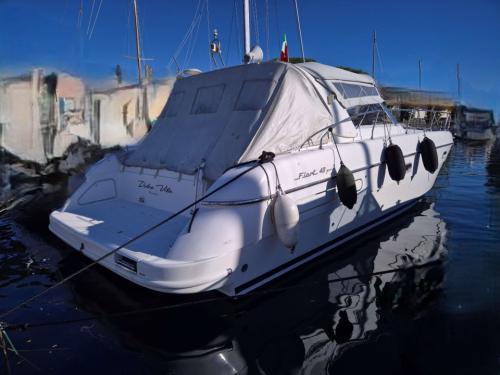
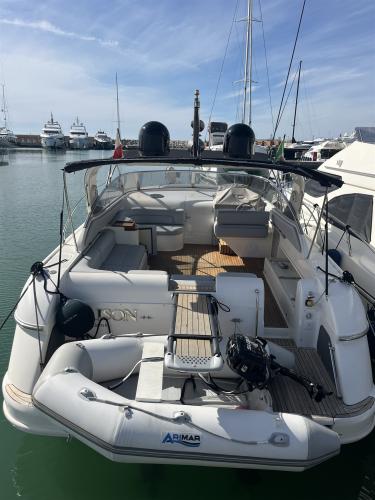

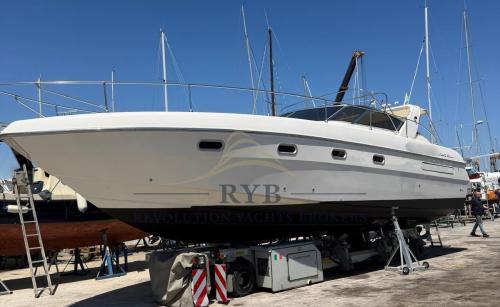
fiart mare fiart 40 genuis
120 000€ All Tax IncludedUsed
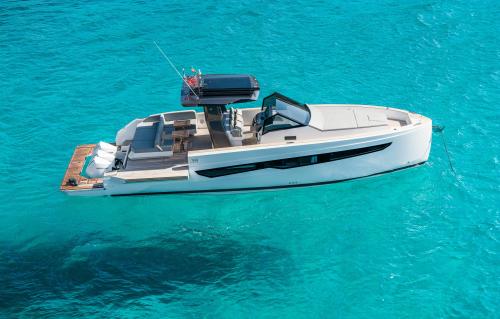
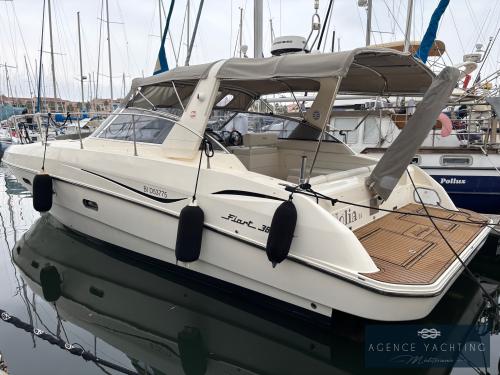
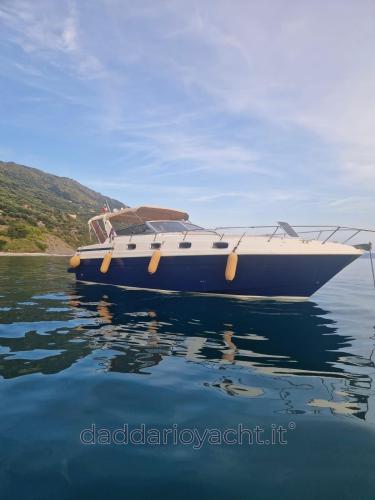

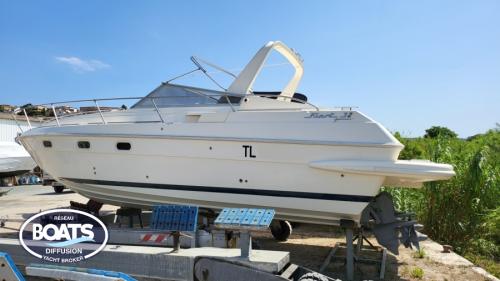
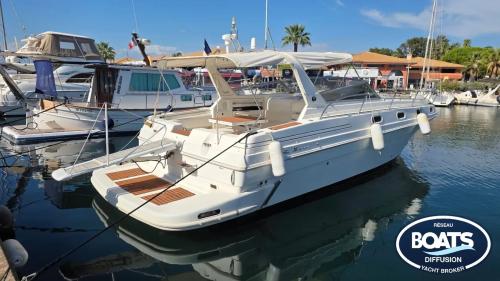
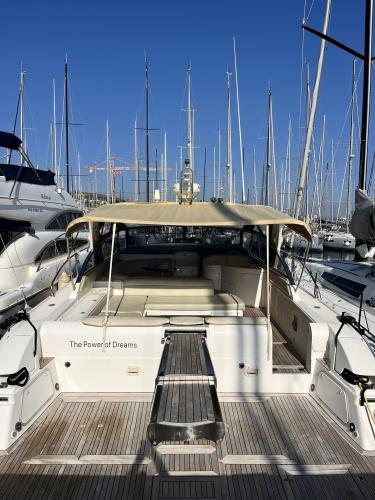
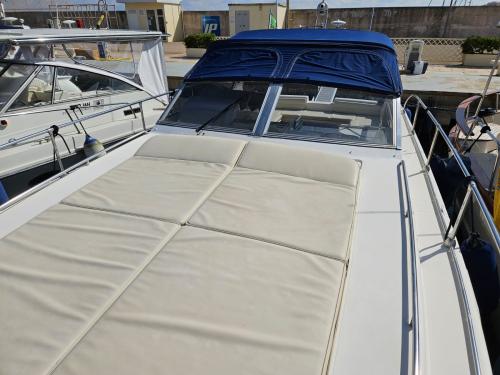
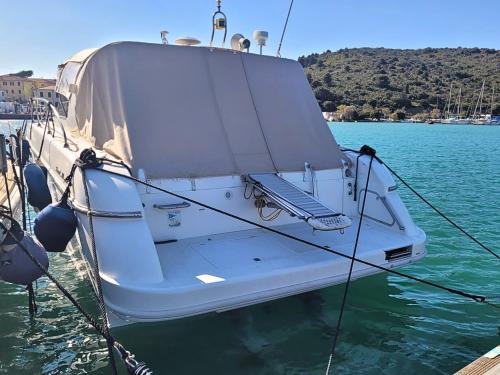
fiart mare fiart 40' genius
85 000€ All Tax IncludedUsed
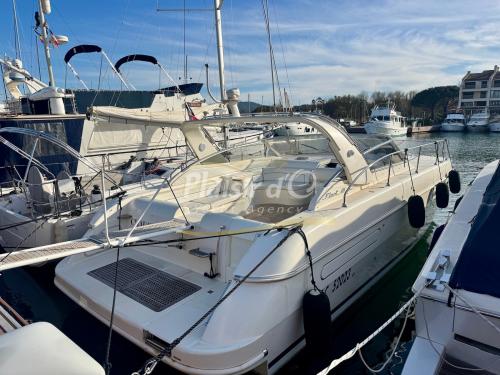
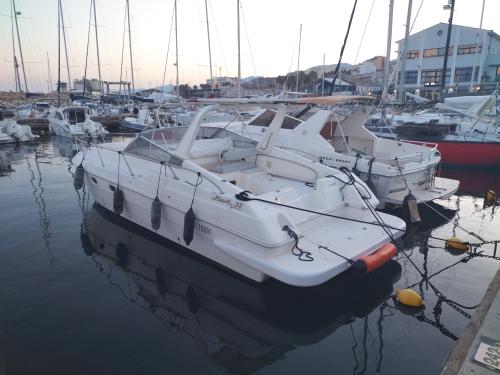

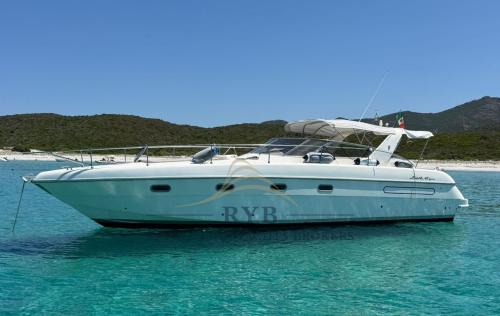
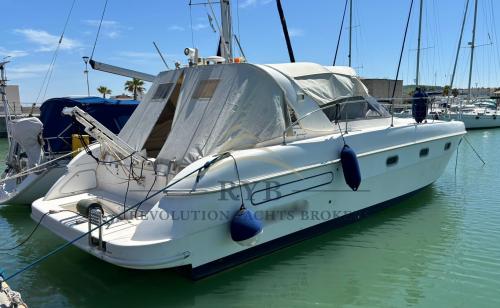
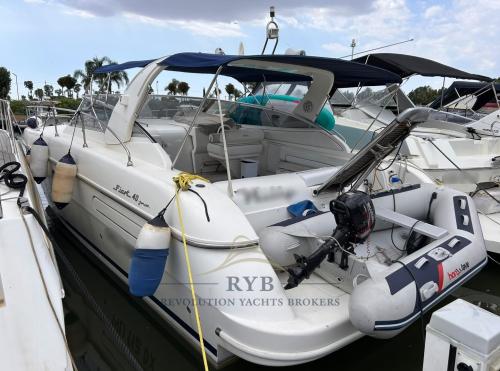
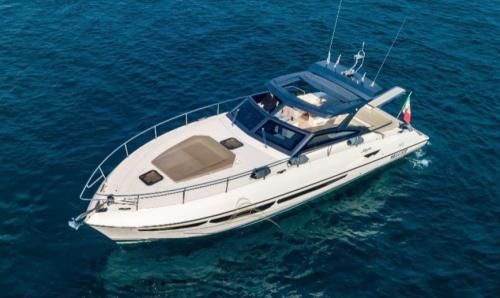
The Yachting Address view — Fiart Mare: the Naples yard building the same boats for three generations, across four ranges that shouldn't be confused
Fiart Mare is a rare case in Italian boatbuilding: a family yard founded in 1960 in Baia, near Naples, still run today by the founder's children, and having produced over 150 models without ever being bought out by a foreign industrial group. On the used market, this continuity creates a real reading trap: the name "Genius" alone spans more than twenty years of production and several different hull generations, and it now coexists with three other ranges — Seawalker, 4T Four, and Classic — each following a different logic. Before comparing two Fiart listings, you first need to know which range and which generation you're actually looking at.
A family yard that stayed family-owned: Ruggiero Di Luggo and Fiart's origins
Fiart is an acronym — Fabbriche Italiane per l'Applicazione di Resine Termoindurenti — that reveals the yard's industrial roots in thermosetting resin application rather than traditional boatbuilding. Founded in 1960 by Ruggiero Di Luggo, the yard launched its first model, the Conchita, a 3.60-meter dinghy that marked a break from the small-boat construction of the time. Since then, Fiart has produced over 150 distinct models, from the original Conchita to the recent 17.57-meter P58.
The yard remains based in Baia, in the province of Naples, and is now run by Giancarlo Di Luggo, managing director, and his sister Annalaura Di Luggo, group president since their father's passing. The Fiart group today comprises three entities: Fiart Mare for the core production, Cetera for the premium "multispace" yacht range developed with naval architect Francesco Guida, and Fiart Rent, a charter operation running its own fleet of Fiart boats between 33 and 58 feet.
Genius, Seawalker, 4T Four, Classic: four ranges, four different logics
This is the single most important point to grasp before buying a used Fiart, since the yard's four current and historic ranges have never fully replaced one another.
The Genius range is the oldest and most common on the used market. Launched in the 1990s, it spans sizes from 32 to 52 feet, with a classic hardtop or flybridge hull architecture. A "40 Genius" was produced almost continuously from the late 1990s through the mid-2000s, which explains why the used market is full of examples from very different model years carrying nearly identical names — with spelling that sometimes varies from one listing to another ("Genius", "Genuis", with or without an apostrophe on the number).
The Seawalker range is a deliberate style break, launched in 2020 for the yard's 60th anniversary with the first 43 Seawalker. This walkaround line, designed for bow access and wide side decks, targets a younger clientele more oriented toward day use. The 35 and 39 Seawalker followed, with "Panorama" versions featuring enlarged glazing.
The 4T Four range positions itself as the most premium flybridge line in current production, with a higher level of finish and equipment than the classic Genius models — a relevant choice for extended cruising rather than day trips.
The Classic range, more niche, revives retro styling cues on a modern hull architecture — the Classic 44 is its most representative example on the used market.
Construction technique: vacuum infusion and Volvo Penta power
Fiart builds its hulls using vacuum resin infusion, a technique that produces lighter hulls at equivalent strength compared to traditional contact lamination. This relative lightness allows the yard to fit reasonably sized Volvo Penta engines rather than systematically oversized ones, with a direct benefit in fuel consumption at cruising speed.
Nearly the entire used Fiart fleet is powered by Volvo Penta, twin-engined on models from 30 feet upward. This is a genuine advantage for European buyers: the Volvo Penta service network is one of the densest in boating, which simplifies maintenance compared to yards using more niche powertrains.
Points to check before buying used
Actual build year versus model name year — on the Genius range in particular, never rely on the model name alone as listed in an ad. Two "40 Genius" boats can be six or seven years apart in production, with significant differences in equipment and engines. Always request the registration document or certificate of origin to confirm the exact build year.
Service history of both Volvo Penta engines — on boats that have often seen intensive Mediterranean use, a complete service history for both engines, backed by invoices, remains the most reliable indicator of the boat's real condition — far more so than the visual appearance of the hull or deck.
Condition of the infused hull — the lightweight construction calls for attention to impact zones (hull sides, keel) where poorly repaired damage can show as gelcoat or laminate cracking more visibly than on a traditional, thicker hull. A haul-out inspection is recommended on any example over fifteen years old.
Generation-specific equipment — air conditioning, generator, and navigation electronics vary significantly by production year within the same range; verify that advertised equipment corresponds to documented additions rather than generous sales claims.
Fiart Mare market prices in 2025-2026
| Model / Range | Generation | Indicative price |
|---|---|---|
| Fiart 23-27 (Venus, Brezza, small runabouts) | 1970-2010 | €9,000 – 45,000 incl. VAT |
| Fiart 32-36 Genius | 1997-2005 | €40,000 – 105,000 incl. VAT |
| Fiart 38-40 Genius | 1999-2010 | €85,000 – 170,000 incl. VAT |
| Fiart 42-44 Genius / Classic 44 | 2003-2015 | €140,000 – 250,000 incl. VAT |
| Fiart 4T Four | 2010-2020 | €290,000 – 400,000 incl. VAT |
| Fiart Seawalker 33-39 | 2013-2023 | €130,000 – 570,000 incl. VAT |
| Fiart Seawalker 43 | 2020-2025 | €475,000 – 735,000 incl. VAT |
| Fiart 50-52 Genius | 2004-2017 | €250,000 – 900,000 incl. VAT |
| Fiart P58 | 2023-2025 | €2,200,000 – 2,500,000 incl. VAT |
Indicative price ranges, market as of May 2026. VAT included unless otherwise stated.
Our verdict
Fiart Mare isn't the yard to choose for constant innovation or the international visibility of a large group — it's the one to choose for the continuity of a Neapolitan family that has been building the same hulls for three generations, with Volvo Penta power that's simple to service anywhere in Europe. The real work for a used-boat buyer isn't about the brand's general reputation, which is well earned, but about precisely identifying the range and exact generation behind each model name — a 1999 Genius and a 2022 Seawalker share neither the same use case nor the same maintenance logic, even though both carry the Fiart name on the transom.