

Riva Yacht for sale
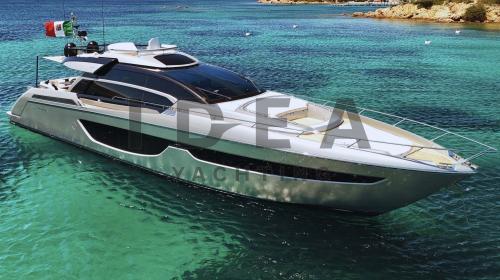
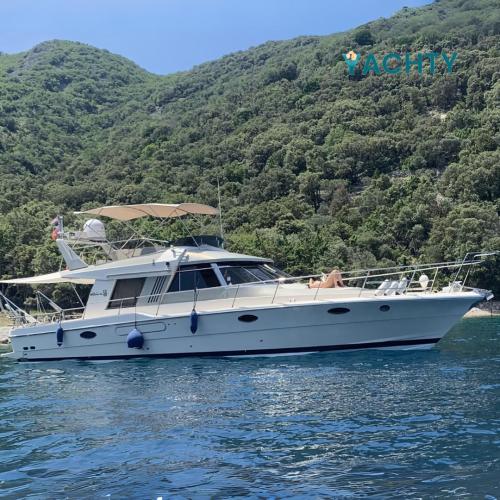
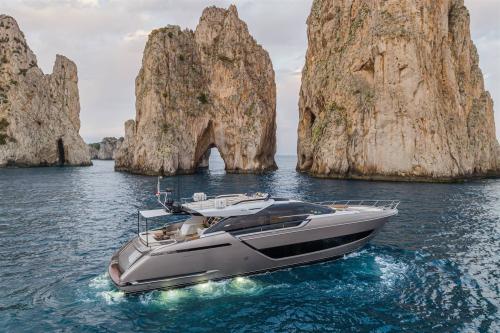
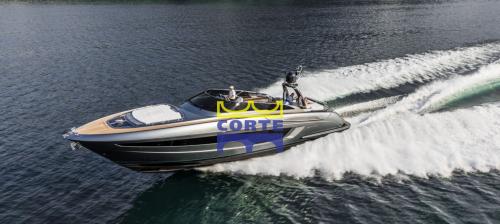
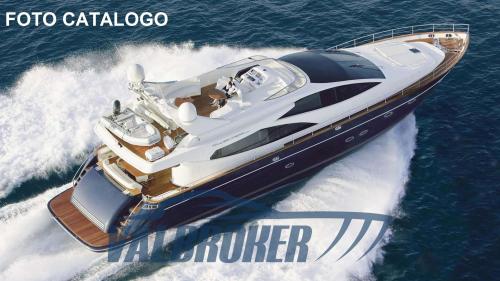
riva perseo 76 sportfly
2 650 000€ All Tax IncludedUsed
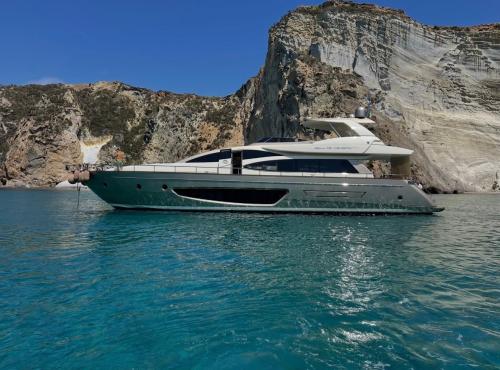
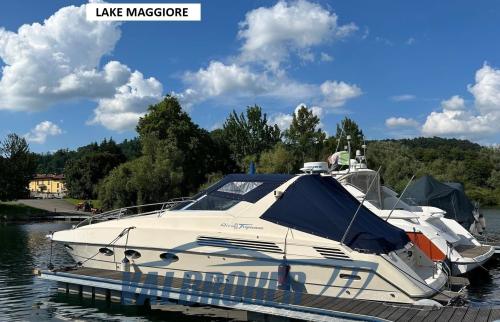
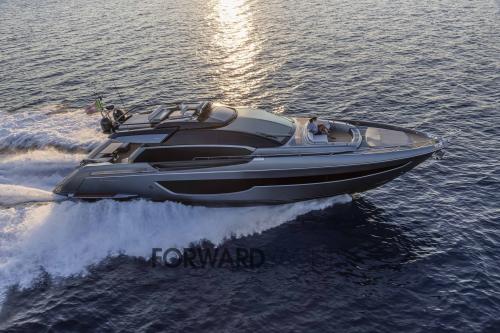
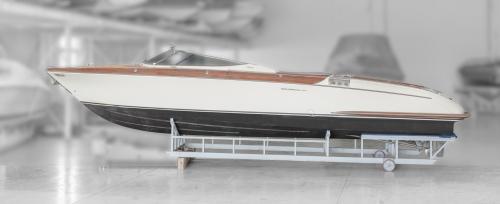
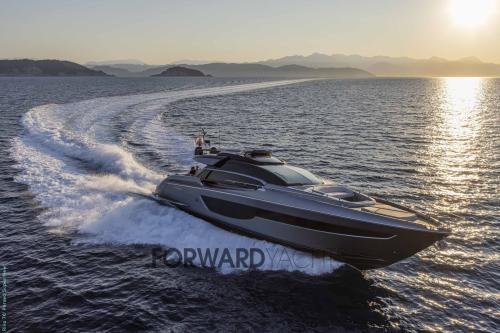
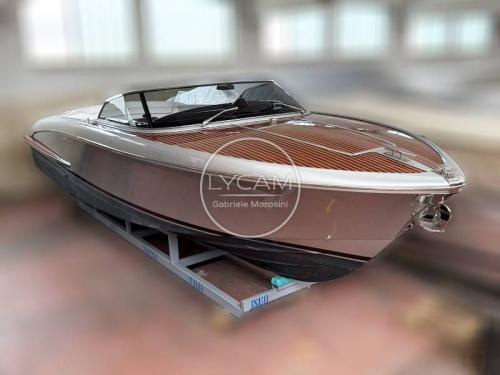
riva 33 aquariva super
440 000€ All Tax IncludedUsed
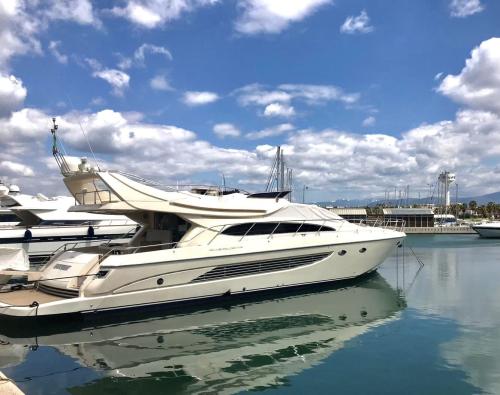
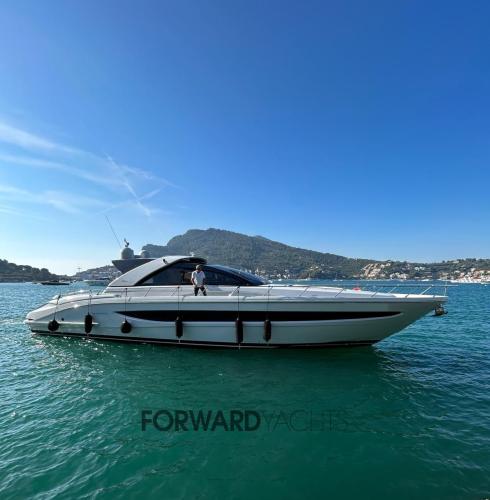
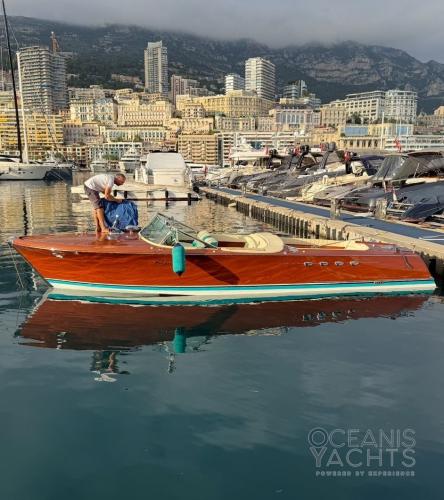
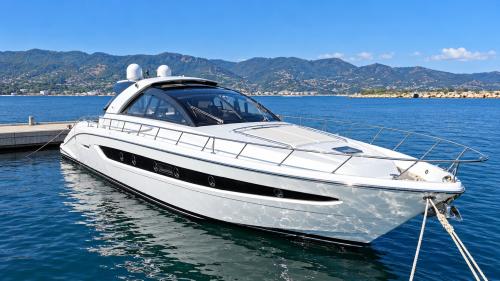
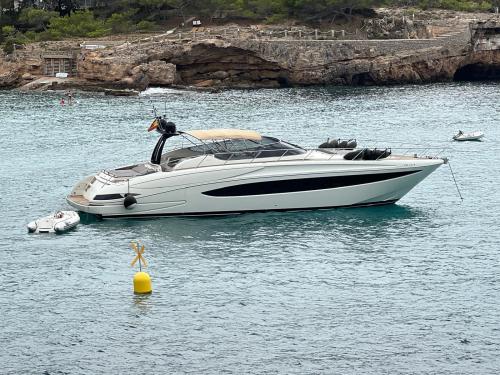
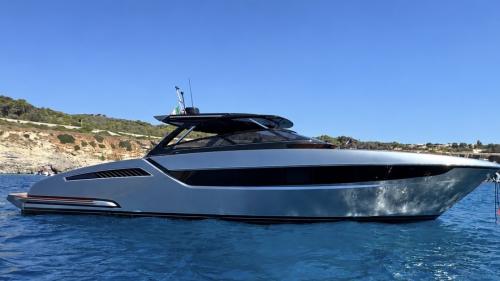
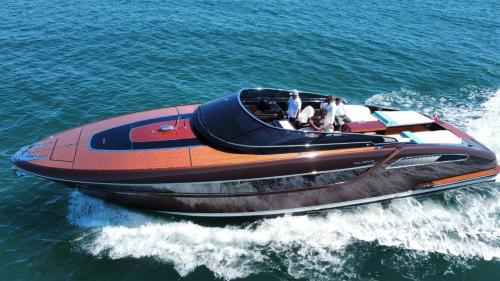
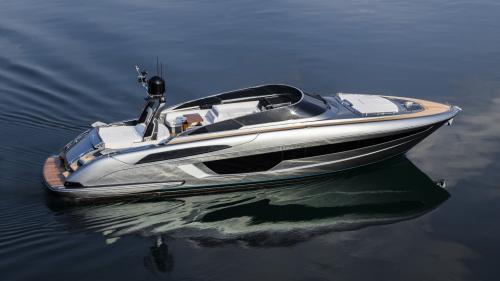
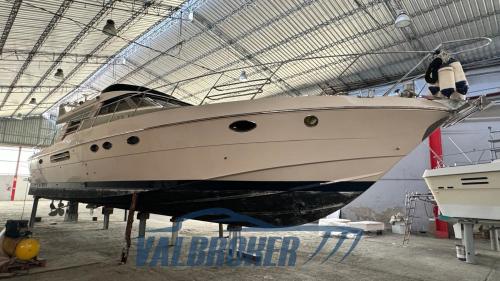
riva 48 dolceriva
1 590 000€ excluding taxUsed

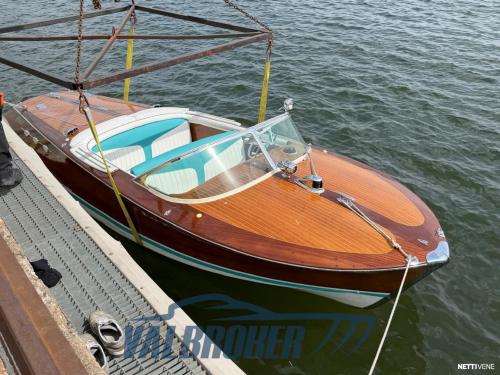
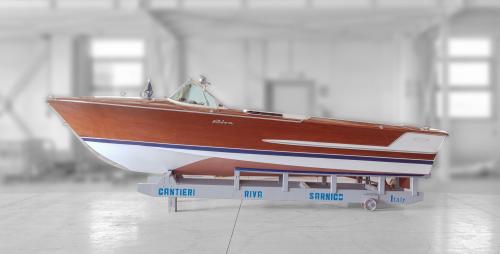
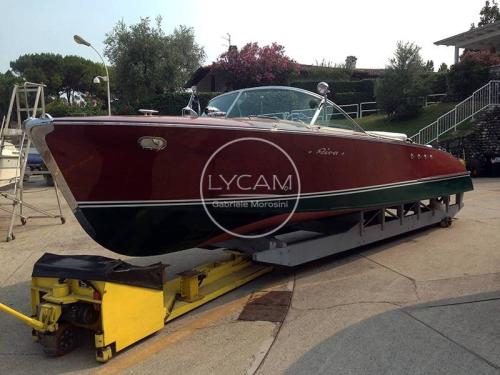
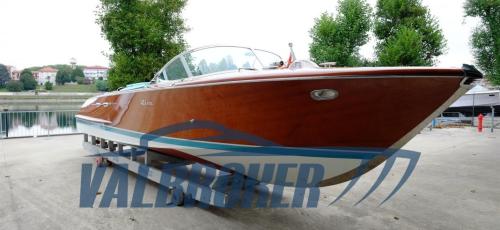
riva olympic
130 000€ All Tax IncludedUsed
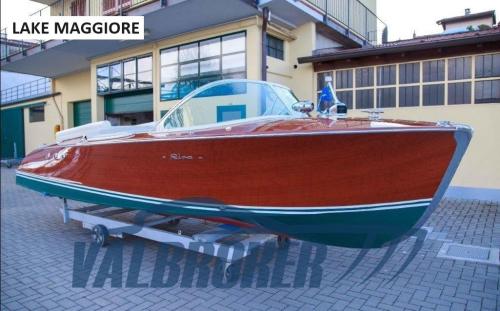
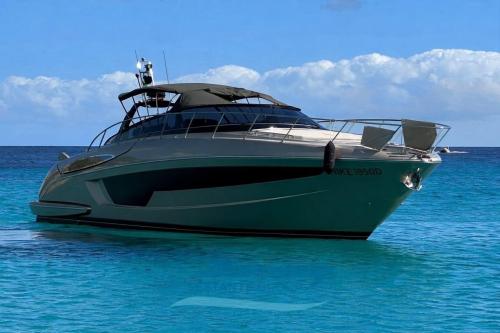
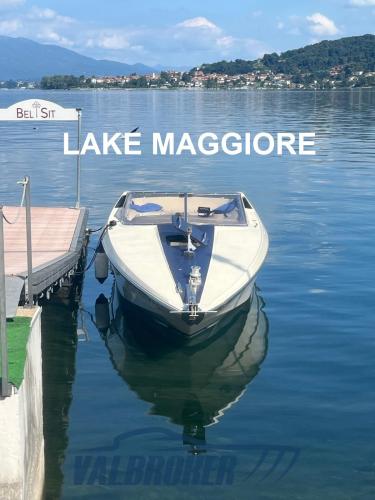
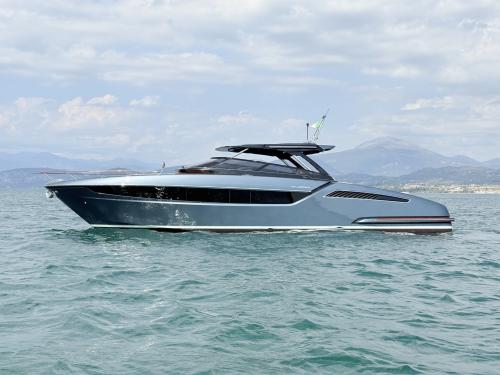
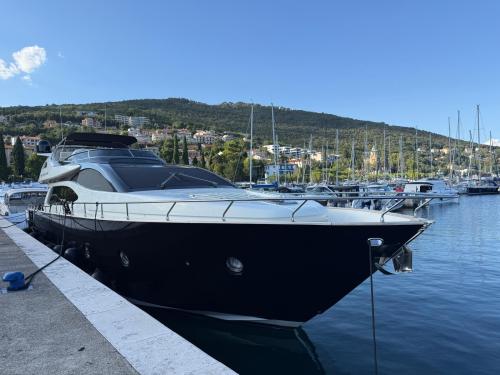
riva 48 dolceriva
1 890 000€ All Tax IncludedUsed
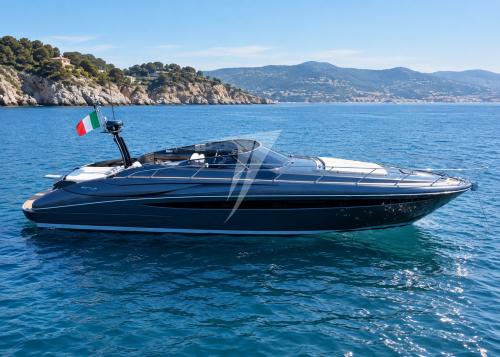

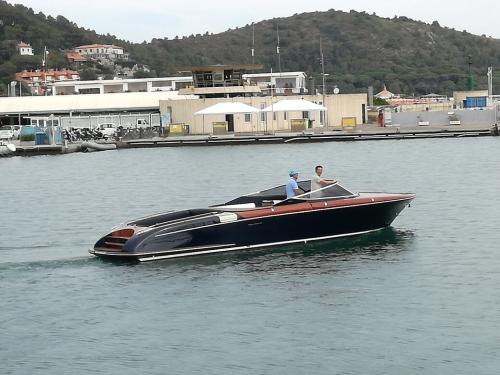

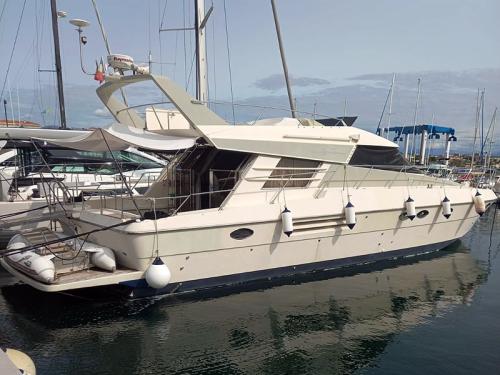
riva 44 rivarama super
590 000€ All Tax IncludedUsed
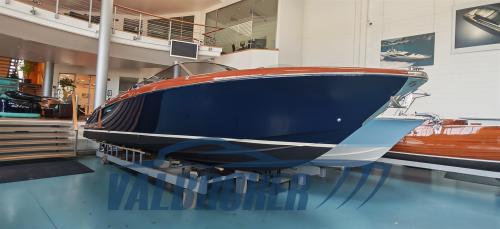
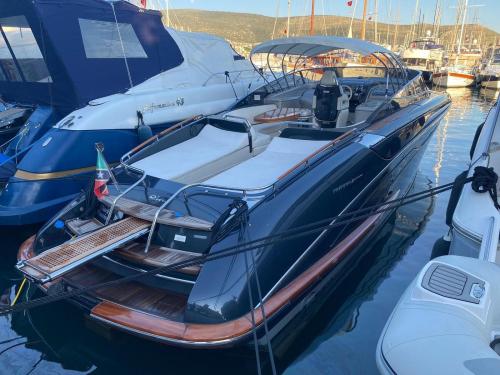
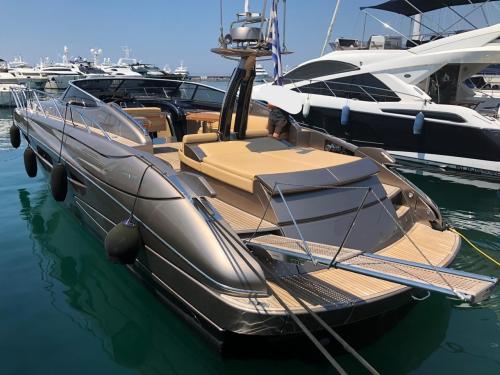
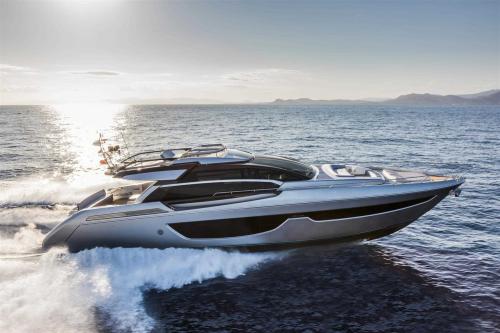
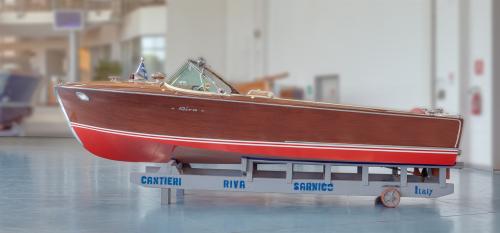
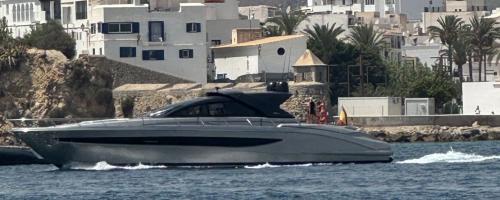
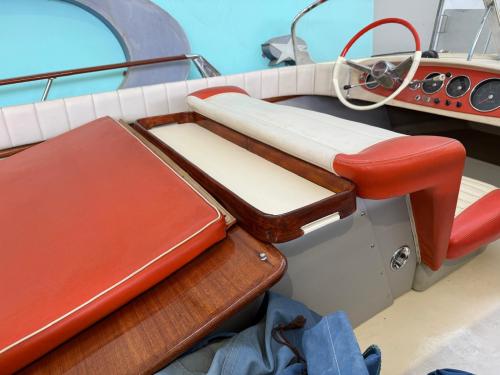
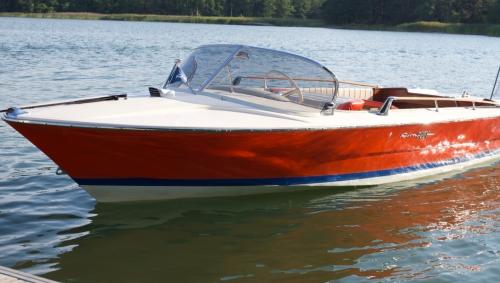
Riva: the only yard whose authenticity is verified through a historical society, not just a service log
There is an organization whose very existence says a great deal about what a classic Riva really is: the Riva Historical Society, founded in 1998 at the initiative of Carlo Riva himself, now chaired by Piero Maria Gibellini. No other production boatbuilder has considered it necessary to create a dedicated learned society for authenticating its own output. For a buyer, this changes the nature of the verification required: it isn't just the hull number and the Sarnico yard register that need checking, but also the historical documentation held by this circle of specialists, which can confirm provenance, successive modifications, and sometimes even the previous owners of a specific example.
What a serious restoration actually involves — beyond the varnish
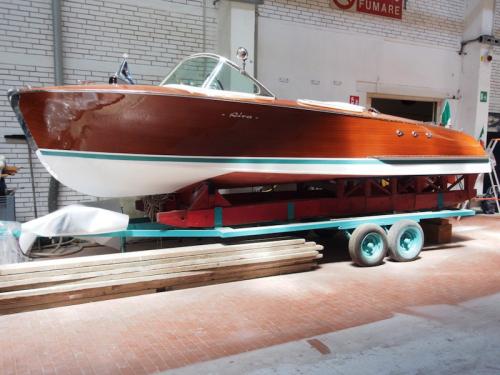
The difference between a "restored" Riva and one genuinely restored by the book comes down to details few buyers think to check. The specialized workshops that work exclusively on Rivas — a handful worldwide, mostly clustered around Lake Iseo, the yard's birthplace — deliberately limit their output to around a dozen units a year, with each full restoration taking an average of nine to twelve months. Wood selection is the first point to watch: the mahogany must season for a minimum of five years before being worked, and pieces destined for the dashboard must be chosen without visible grain — an aesthetic requirement set by Carlo Riva himself and still honored by serious workshops today.
The second point concerns the engines. The original Crusader engines fitted to most Aquarama and Ariston models are becoming harder to source new parts for every year. Some owners choose to repower with more reliable, easier-to-maintain modern blocks — a perfectly defensible practical choice, but one with a direct, documented impact on collector value: a classic Riva that has kept its original Crusader powertrain, with a complete service history, consistently trades above a repowered example, even though the latter may in practice run more reliably day to day.
The real economics of a classic Riva: what forty years of figures show
The classic Riva market isn't just stable — it has been structurally trending upward for four decades, with an average annual appreciation rate estimated around 8% for an Aquarama over the past forty years, a pace that far outstrips inflation and explains why these boats are increasingly viewed as an asset class in their own right rather than simple leisure goods.
On routine upkeep, the budgets quoted elsewhere in this market deserve some nuance: a properly wintered classic Riva (fittings treated with mineral oil before covering, an interior dehumidifier, a full engine-circuit drain, servicing roughly every three years rather than annually) can be kept in excellent condition for a routine maintenance budget representing under 1% of its value per year, excluding transport and exceptional restoration work. The higher figures quoted elsewhere generally correspond to years when major mechanical or cosmetic work was required — a useful point to clarify before being put off by an annual figure that isn't always representative of normal use.
Riva Yacht: An Italian Heritage of Luxury and Innovation
Riva Yachts embodies Italian excellence in shipbuilding, blending tradition and innovation to create world-renowned luxury yachts. Founded in 1842 on the shores of Lake Iseo in Sarnico, the company evolved from repairing fishing boats to crafting luxury yachts, thanks to the ingenuity of Pietro Riva. Over generations, the Riva family revolutionized nautical design, introducing combustion engines and cutting-edge designs that made Riva synonymous with luxury, glamour, and performance. More information at: riva-yacht.comRiva's Evolution: From Humble Beginnings to Global Renown
Riva's story begins with Pietro Riva in 1842, repairing boats damaged by a storm in Sarnico. Under the successive leadership of Ernesto Riva, who innovated with combustion engines, and Serafino Riva, who steered the company toward high-speed pleasure boats, Riva earned a reputation for quality and excellence. However, it was Carlo Riva who transformed the brand into an emblem of Italian luxury, introducing elegant designs and technical innovations that positioned Riva as the preferred choice of celebrities and affluent personalities worldwide.Current Range: Innovation and Italian Style
Today, Riva offers a wide range of yachts, ranging from 8 to 54 meters, available in open, sportfly, and flybridge versions. Each model is the result of a perfect blend of performance, safety, and exclusive style that reflects the soul of the legendary brand. Among recent models are the Riva 82' Diva, the Riva 90' Argo, the Riva 102' Corsaro Super, and the Riva 130' Bellissima, showcasing Riva's continued commitment to excellence and innovation in luxury shipbuilding.Riva in the Film Industry and its Cultural Heritage
Riva is not only famous for its luxury yachts but also for its iconic role in the film industry, often stealing the spotlight from international actors and actresses. This notoriety adds to Riva's image as a symbol of modern and sophisticated elegance, resulting from a skillful combination of cutting-edge design and high-quality materials. Riva's history is one of unique and inimitable craftsmanship, making it a legend of contemporary yachting and a recognized icon of Italian nautical art.Each Riva yacht is a living testament to Italian heritage, combining timeless design with the most advanced technologies to deliver unmatched elegance and comfort on the water.