
 > Cranchi Endurance 39 for Sale
Cranchi Endurance 39 for sale
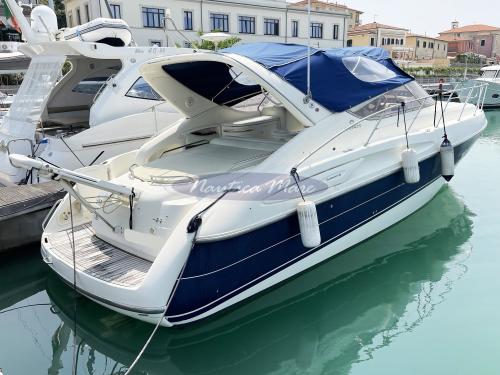

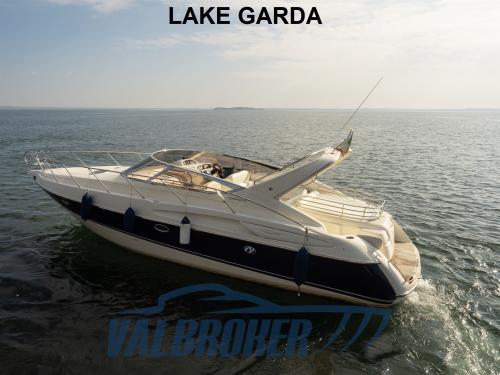
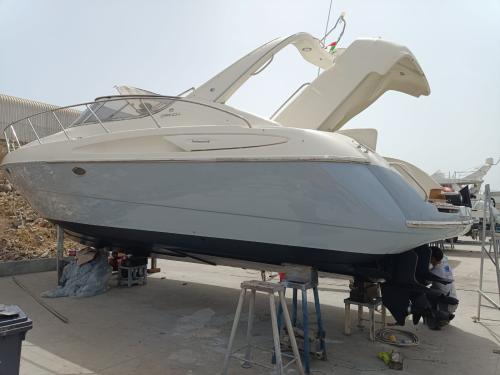
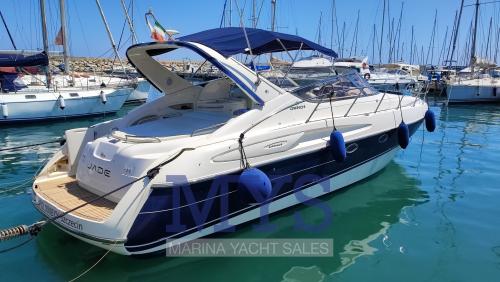
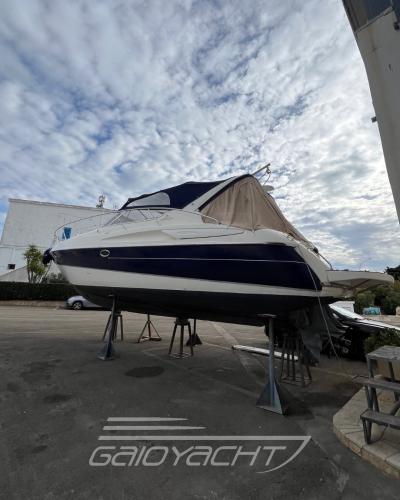
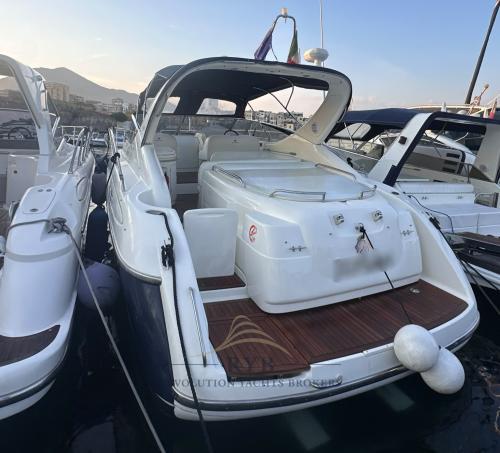
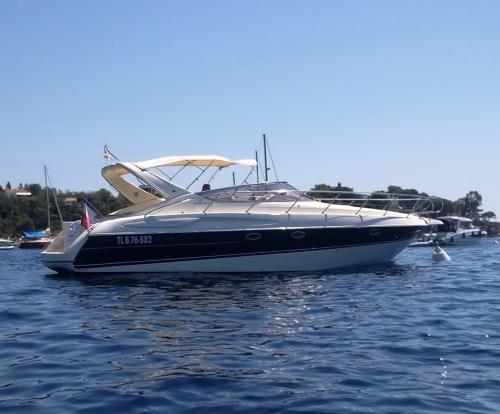
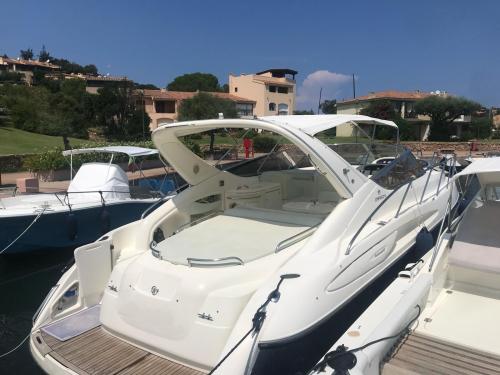
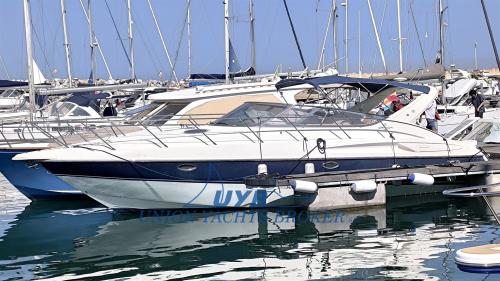
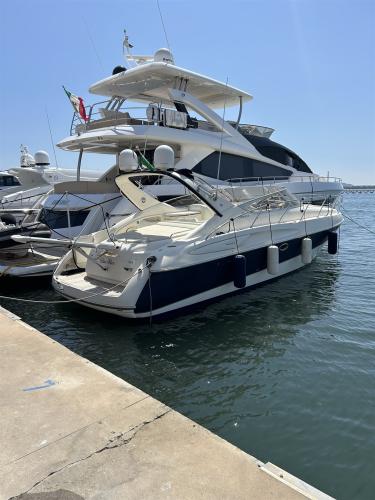
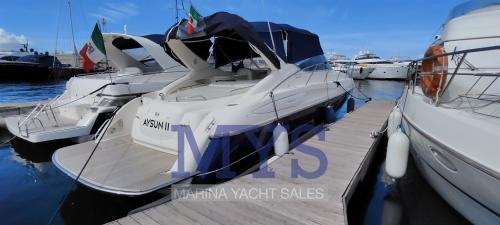
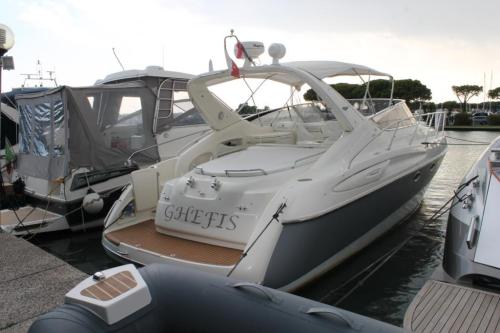
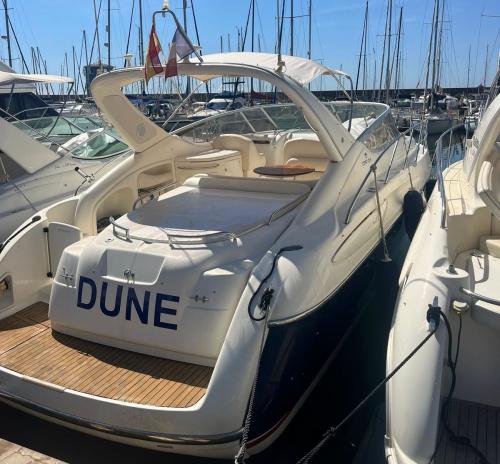
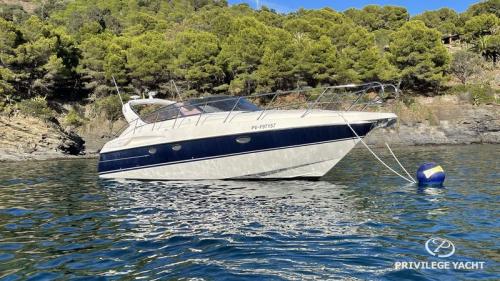
Yachting Address Review — Cranchi Endurance 39: the Lombard cabin cruiser that ages well
The Cranchi Endurance 39 is the generation that preceded the Endurance 41 in the history of the Pianello del Lario yard. Produced from the late 1990s to the early 2000s, it represents the Endurance in its founding form — before the design and powertrain evolutions that characterise later model years. At 22 to 28 years old today, well-maintained examples offer the most accessible entry into the Cranchi Endurance philosophy, between €69,000 and €109,000 incl. VAT.
This boat targets a precise buyer profile: someone who wants a 12-metre cabin cruiser with Cranchi's construction qualities, on a controlled budget, accepting the specific maintenance requirements of a boat over twenty years old. This is an expert's purchase — not the first purchase of a boater discovering navigation.
Endurance 39 and Endurance 41: understanding the relationship
The coexistence of the Endurance 39 and Endurance 41 in the Cranchi catalogue deserves clear explanation for buyers comparing both.
The hull lengths displayed on both models are remarkably close — approximately 11.95 metres for the Endurance 39 and 11.93 metres for the Endurance 41. This proximity is explained by the fact that both models share the same base platform — the "39" and "41" foot designations correspond to a progression of the same platform rather than a radically different length.
The genuine difference between the two is a generational one. The Endurance 39 embodies Cranchi's philosophy of the 1995-2005 era — more classic lines, first-generation powertrains, interior finishes reflecting their era. The Endurance 41 represents the evolution of that same philosophy through 2004-2010 — slightly modernised lines, more efficient diesel powertrains, and improved interior finishes.
For a buyer, this generational difference translates primarily into three elements: the powertrain (see below), the second-hand price (€20,000 to €30,000 less for the Endurance 39 at comparable model year), and the maintenance level required on a boat over twenty years old.
The 1990s-2003 powertrain: what you need to know
This is the most important technical point for understanding this market — and the most frequently under-explained.
Cranchi Endurance 39s produced between 1997 and 2003 were powered by the technologies available at that time. Depending on model year and market, you typically find:
V8 petrol inboards (MerCruiser or Volvo Penta petrol versions) on the earliest 1990s model years. These engines are robust and well-documented, but fuel-thirsty — their cruising consumption is notably higher than equivalent diesels from the following generation. MerCruiser V8 parts remain accessible. The Volvo Penta and MerCruiser service networks in Italy are dense.
First-generation diesels (Volvo Penta D series, MAN or others) on the most recent versions of the series (2001-2003). These powertrains correspond to the transition toward diesel that occurred in this segment in the early 2000s. More economical, longer-lasting, but with specific parts to verify on engines approaching 20-25 years of age.
The general rule for this market is simple: a 20-25-year-old engine has a long service history behind it — good or poor. The quality of that history is everything. A 2002 Volvo Penta diesel with complete service records, recently overhauled heat exchangers and a documented history with an official dealer is incomparably more valuable than a same-year engine with no paperwork.
The shaft drive: the central vigilance point on this generation
The Endurance 39, like the Endurance 41, uses an inboard shaft drive — no sterndrive, no SailDrive. This architecture imposes its own vigilance points, different from those of a Bavaria 33 Sport or Jeanneau Leader.
Stern glands (sealing packing around propeller shafts) are the primary wearing parts on this architecture. On a 22-28-year-old boat, they must have been replaced multiple times if maintenance was done seriously — or never, if the boat was minimally maintained. A failing stern gland produces slow but continuous water ingress into the bilge, sometimes undetected by an owner who doesn't regularly inspect their bilge.
Cutless bearings (shaft-centering bearings in their supports) wear progressively. Excessive play in these bearings produces running vibration, accelerated shaft wear, and in advanced cases, hull fitting damage. Checking these bearings during haul-out is mandatory.
The propeller shafts themselves may show galvanic corrosion if cathodic protection (zinc anode) has not been regularly maintained. Corroded shafts can weaken progressively — a visual and tactile inspection during haul-out is essential.
What the price reveals about this market
The Cranchi Endurance 39 price range — between €69,000 and €109,000 incl. VAT for 1997-2003 models — is remarkably stable for boats of this age. This is the signal of a niche market with sellers confident in their boat's value and buyers who know them.
Price variation across this range essentially reflects two factors: the boat's actual condition (documented vs informal maintenance) and equipment level (recent refits, updated electronics, renewed upholstery or woodwork). A well-maintained 2002 Endurance 39 with documented refits can be worth €15,000 to €20,000 more than a same-year example without clear history.
What Cranchi brings on a 20-year-old boat
The primary argument for a Cranchi Endurance 39 of this generation is the same as for the Zaffiro 34 or Endurance 41: Cranchi construction quality holds over time better than some French or German mass-production of the same era.
Cranchi hulls of this generation are built in thick polyester laminate with a rigour that was already a signature of the Pianello del Lario yard in the 1990s. It is no coincidence that 1997-2000 Endurance 39s are still actively navigating in 2026 after 25 to 29 years at sea. This is proof of construction robustness that justifies connoisseurs' interest in these older boats.
What to check when buying second-hand
Engine and service records — absolute first point. On a 20-25-year-old engine, documentation is everything. Complete service records with invoices from origin, or a complete overhaul budget to integrate into the purchase price.
Stern glands and shaft drive — mandatory haul-out inspection. Sealing glands, Cutless bearings, propeller shaft condition, potential galvanic corrosion.
Hull osmosis — 25-year-old polyester hulls warrant moisture meter reading during haul-out. Examples that have remained afloat in southern Mediterranean waters (Sardinia, Sicily, Campania) are exposed to osmotic processes accelerated by warm water.
Electrical system — wiring looms on a 25-year-old boat warrant complete inspection. Oxidised connections, ageing cables and end-of-life service batteries are the most common problems on this generation.
Interior and upholstery — cushions, carpets and woodwork on a 1997-2003 Endurance 39 are between 22 and 28 years old. Complete replacement represents €5,000 to €12,000 depending on condition and target quality level.
Cranchi Endurance 39 market prices in 2025-2026
| Year | Condition / Situation | Indicative price |
|---|---|---|
| 1997-1999 | Good condition, maintained | €65,000 – €85,000 incl. VAT |
| 2000-2001 | Good condition, serviced | €80,000 – €95,000 incl. VAT |
| 2002-2003 | Very good condition, well-documented | €85,000 – €110,000 incl. VAT |
Indicative ranges, market May 2026. VAT included unless otherwise stated.
Our verdict
The Cranchi Endurance 39 is a connoisseur's purchase — not a mass-market one. Its Cranchi construction robustness allows it to navigate with dignity at 25 years, but this longevity comes at a price: that of the serious, documented maintenance these boats require to remain in good condition. For the competent buyer seeking a 12-metre cabin cruiser under €100,000 who knows how to evaluate a 20-year-old engine and a shaft drive, it is one of the best proposals on the Mediterranean second-hand market in this price range. For others, the Endurance 41 or a second-hand M44 HT offer more recent and less demanding alternatives.