Sustainable boating: what hybrid, solar and hydro-generation really change in cruising
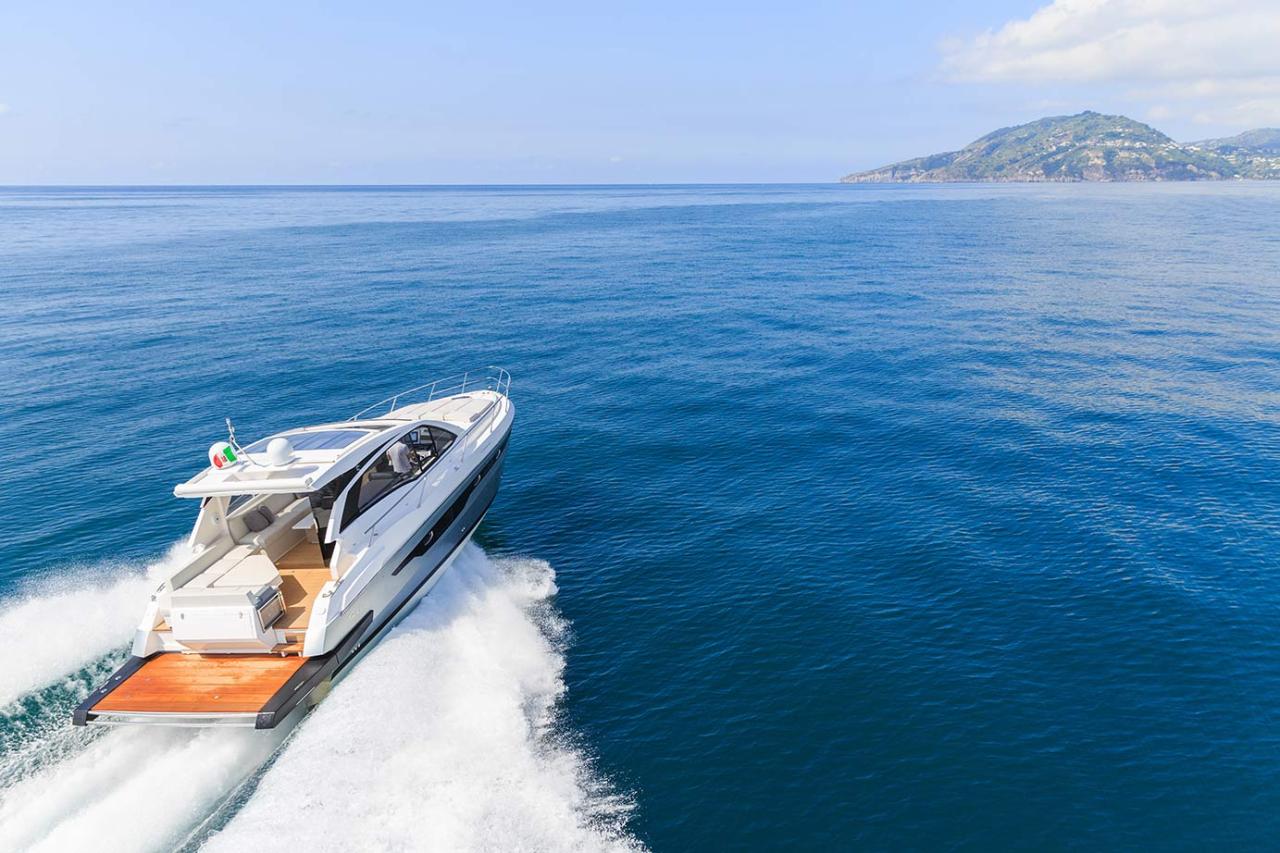
“Sustainable cruising” is no longer just a general idea: concrete systems are now emerging that combine renewable energy production, energy storage and hybrid propulsion. Among the most structured initiatives, the ODSea+ program (Fountaine Pajot / ODSeaLab) offers a “pack” approach focused on energy autonomy and reduced use of thermal engines.
ODSea+: a simple logic — produce, store, and use thermal power only as a backup
Broadly speaking, the idea behind ODSea+ is to make several energy sources work together (solar, wind and hydro-generation) with centralized management, in order to automatically prioritize renewable energies and limit reliance on the engine or thermal generator. The Azur Catamarans website (a Fountaine Pajot dealer) describes ODSea+ as a technology developed with ODSeaLab for “decarbonized and autonomous cruising”, featuring a single energy management console. (Azur Catamarans, n.d., accessed 08/01/2026)
Useful figures (when clearly stated)
Available sources provide interesting orders of magnitude — as long as we keep in mind that actual production depends heavily on conditions (sunlight, wind, sailing speed, sea state, etc.).
- Solar: panels rated between 400 and 2000 W depending on the model size, integrated into the design. (Azur Catamarans, n.d., accessed 08/01/2026; Fountaine Pajot, ODSeaLab, n.d., accessed 08/01/2026)
- Hydro-generation: systems capable of delivering close to 1000 W per propeller at an average speed of 8 knots (on certain setups). (Fountaine Pajot, ODSeaLab EN, n.d., accessed 08/01/2026)
- Wind: the ODSeaLab page (EN) indicates that a pair of generators can provide around 600 W continuously (day and night). (Fountaine Pajot, ODSeaLab EN, n.d., accessed 08/01/2026)
- Hybrid: ODSeaLab (EN) states that in October 2022, Fountaine Pajot unveiled its first “hybrid electric” catamaran (Aura 51 equipped with ODSea+). (Fountaine Pajot, ODSeaLab EN, n.d., accessed 08/01/2026)
Comparison box: onboard “clean” technologies and their limits
| Technology | What it’s used for (in practice) | Strengths | Limits / points of attention |
|---|---|---|---|
| Solar | Charging and powering onboard systems at anchor and while sailing. |
|
|
| Wind | Complementary energy production, especially when windy (including at night). |
|
|
| Hydro-generation | Generating electricity while sailing, typically under sail. |
|
|
| Hybrid (electric + thermal generator) | Allow electric propulsion phases and secure autonomy via a thermal backup. |
|
|
| Hydrogen (prototype / demonstrator) | Exploring alternative propulsion and energy solutions for the longer term. |
|
|
A stated trajectory: ODSea+ and decarbonization by 2030
From a strategic standpoint, Fountaine Pajot presents an “Odyssea 2024” plan with milestones leading to carbon neutrality by 2030, including the gradual rollout of ODSea+ versions across the fleet. (Fountaine Pajot, n.d., accessed 08/01/2026)
Here again, the benefit for buyers is not only “environmental”: electric autonomy, onboard silence and the ability to stay longer at anchor without a generator can become very concrete usage criteria.